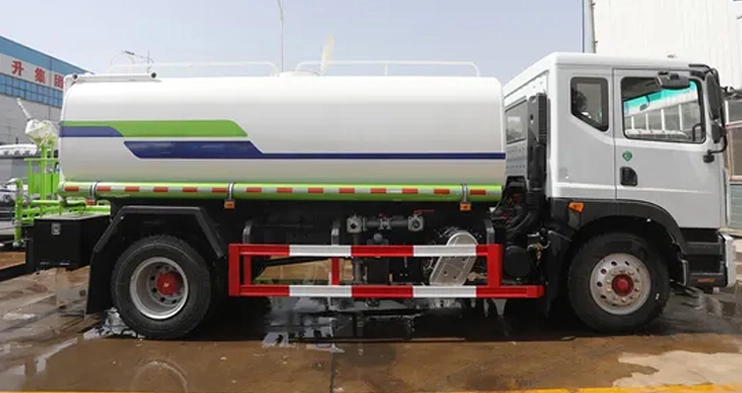
Food transport trucks maintain freshness throughout the cold chain by combining precise temperature control, advanced insulation systems, reliable refrigeration units, and proper cargo management practices. These technologies help prevent temperature fluctuations, slow down product deterioration, and ensure that temperature-sensitive goods remain safe from loading to final delivery.
In modern food logistics, food transport vehicles are no longer simple delivery equipment. They are an essential part of cold chain management, supporting industries such as fresh produce, meat, seafood, dairy products, frozen foods, and beverages. A well-designed refrigerated vehicle helps businesses reduce food waste, improve delivery reliability, and maintain product quality across long distances.
The refrigeration system is the core component that allows a transport vehicle to maintain stable internal temperatures. Unlike standard cargo vehicles, refrigerated trucks use cooling units that continuously remove heat from the cargo compartment and maintain the required temperature range.
Different food products require different temperature conditions. Frozen products may need sub-zero environments, while fresh vegetables, fruits, and dairy products often require controlled temperatures above freezing. Advanced refrigeration systems allow operators to adjust settings according to specific cargo requirements.
For businesses searching for a refrigerator truck sale, evaluating refrigeration performance is critical. A high-quality cooling system should provide consistent temperature control, fast cooling capability, and reliable operation during long-distance transportation.
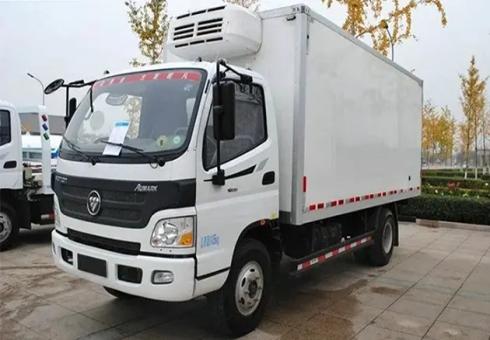
Insulation plays a crucial role in preventing external heat from entering the cargo area. Even the most powerful refrigeration unit cannot maintain freshness efficiently if the truck body has poor thermal insulation.
Modern refrigerated trucks typically use insulated panels made from materials with strong thermal resistance. These panels help minimize temperature exchange between the inside and outside environments, allowing the refrigeration system to operate more efficiently.
A well-insulated refrigerated container truck can maintain stable conditions even when exposed to changing weather, frequent door openings, or extended transportation periods. This reduces energy consumption while protecting food quality.
Temperature stability is one of the biggest challenges in cold chain logistics. Frequent temperature changes can accelerate bacterial growth, reduce shelf life, and affect product appearance and taste.
Professional cold chain solutions address this issue through several technologies:
Intelligent temperature monitoring systems that track real-time conditions
Automated refrigeration controls that adjust cooling output
Air circulation designs that distribute cold air evenly
Data recording systems that provide transportation temperature reports
These features allow operators to identify potential problems quickly and maintain consistent conditions throughout the journey.
Long-distance food transportation requires more than just refrigeration capacity. A reliable vehicle needs to integrate durability, energy efficiency, cargo protection, and operational flexibility.
Key factors include:
The cooling system should maintain the required temperature range under different operating conditions, including high temperatures and extended driving periods.
The cargo compartment should provide strong protection against heat transfer, moisture, and external environmental impacts.
Different food categories require different storage conditions. Adjustable compartments and customized layouts allow businesses to transport various products more efficiently.
Temperature monitoring and control technology helps ensure compliance with food safety requirements and provides valuable delivery records.
These characteristics make modern food truck transport solutions more suitable for professional logistics operations rather than simple short-distance deliveries.
Maintaining food safety during transportation requires strict control over temperature, hygiene, and handling procedures. A temperature-controlled vehicle helps prevent the “danger zone” conditions where microorganisms can multiply rapidly.
Many food transport operations follow strict procedures, including:
Pre-cooling the cargo area before loading
Maintaining recommended storage temperatures
Minimizing door-opening time
Cleaning and sanitizing the cargo compartment regularly
Monitoring temperature records throughout transportation
By integrating these practices with advanced vehicle technology, companies can improve food safety and reduce the risk of product losses.
The development of intelligent transportation technology has improved the efficiency of cold chain logistics. New-generation vehicles combine refrigeration technology with digital monitoring, energy-saving designs, and customized cargo solutions.
For example, smart temperature tracking allows fleet managers to monitor multiple vehicles remotely and respond quickly to abnormal conditions. Energy-efficient refrigeration systems also help reduce operating costs while maintaining product quality.
As global demand for fresh and frozen food continues to increase, reliable food transport vehicles have become increasingly important for suppliers, distributors, and logistics companies.
Food transport trucks maintain freshness throughout the cold chain through a combination of refrigeration technology, thermal insulation, temperature monitoring, and professional cargo management. Each component works together to prevent temperature fluctuations and protect food quality during transportation.
For companies involved in food distribution, choosing the right refrigerated solution is essential for improving delivery efficiency, reducing waste, and meeting increasingly strict food safety requirements. High-performance food transport vehicles provide the reliability needed to support modern cold chain logistics from production facilities to end customers.
The required temperature depends on the type of food being transported. Frozen products usually require sub-zero temperatures, while fresh foods often need controlled cooling conditions.
A refrigerated container truck uses an insulated cargo body and refrigeration unit to remove heat and maintain a stable internal temperature.
Yes. Properly equipped trucks can maintain product quality during long-distance transportation through efficient cooling and insulation systems.
Important factors include refrigeration capacity, insulation quality, cargo size, energy efficiency, and temperature monitoring features.
They help track conditions in real time, prevent temperature-related losses, and provide records for quality control.
 English