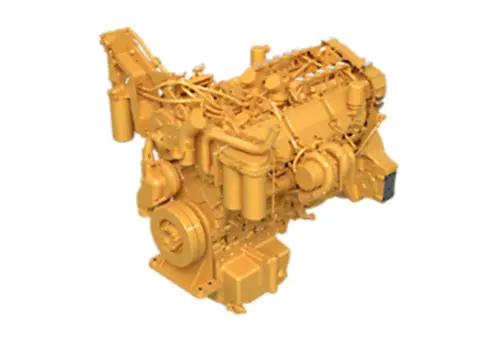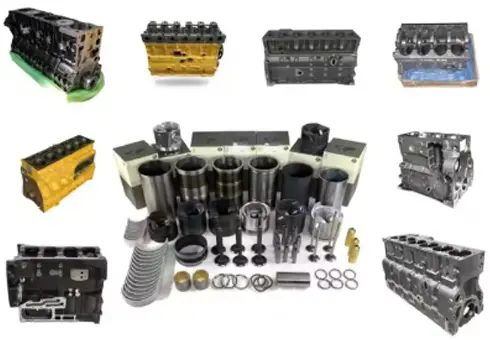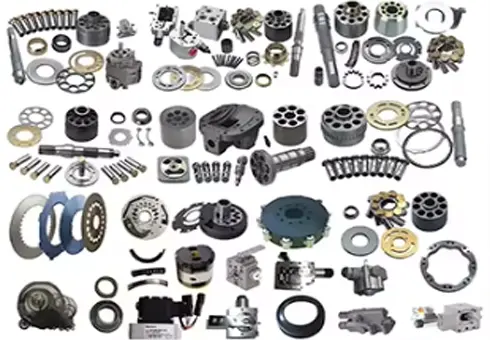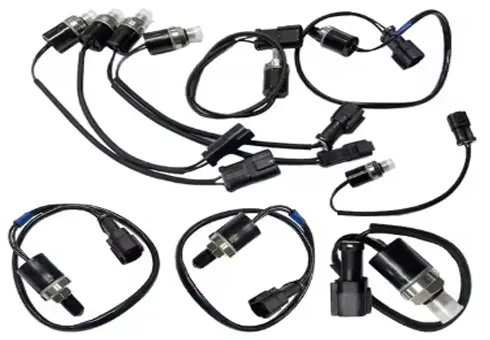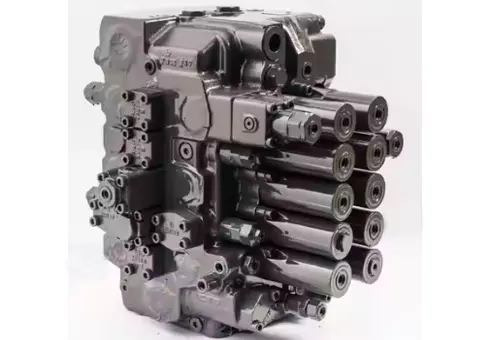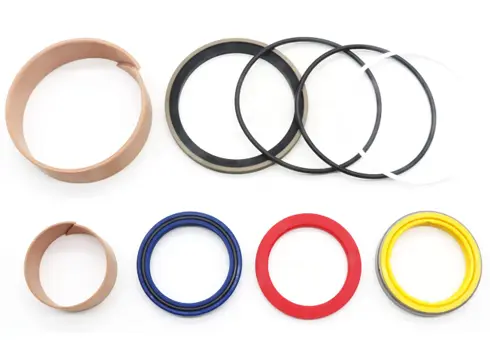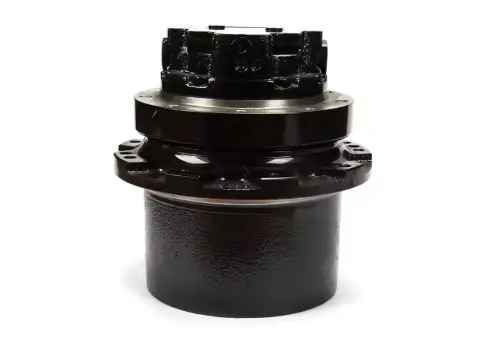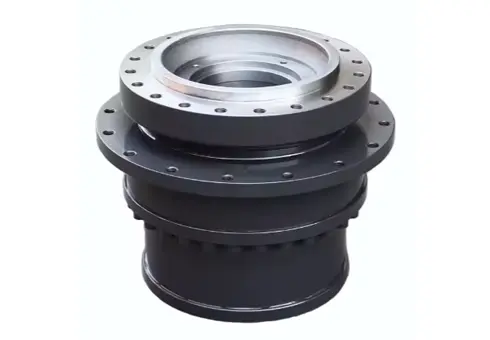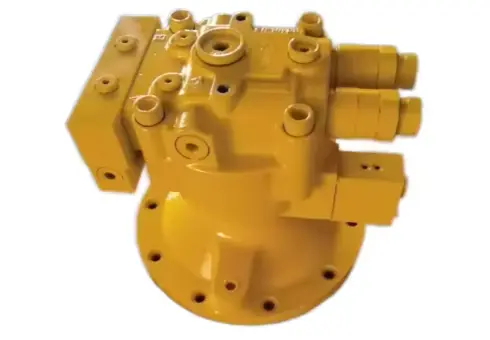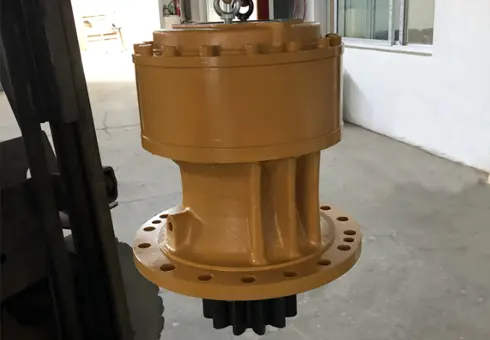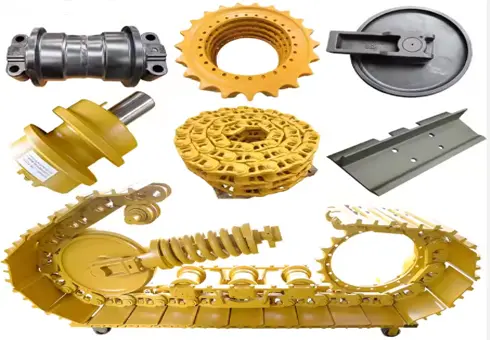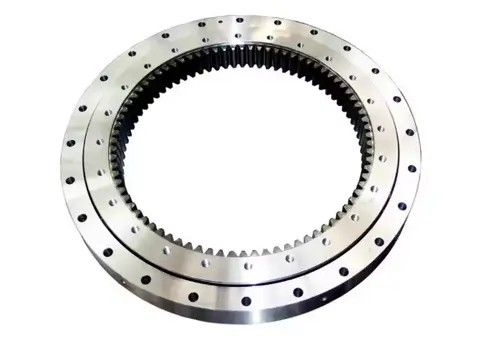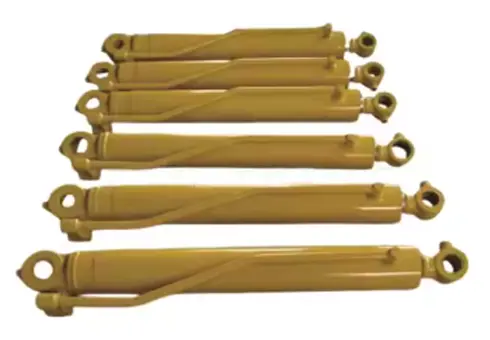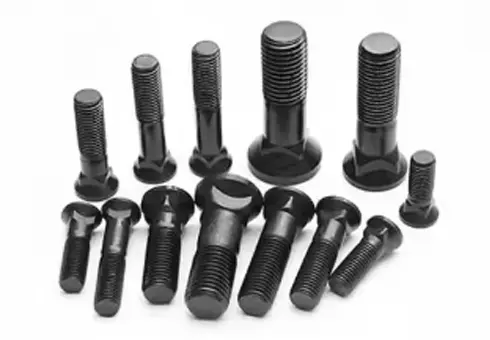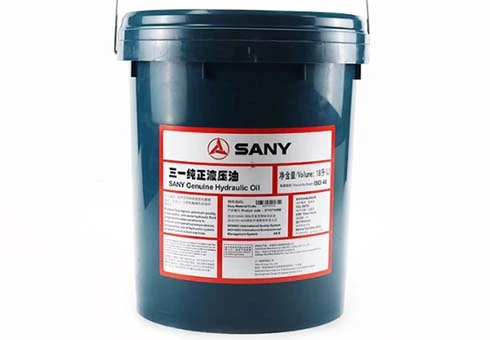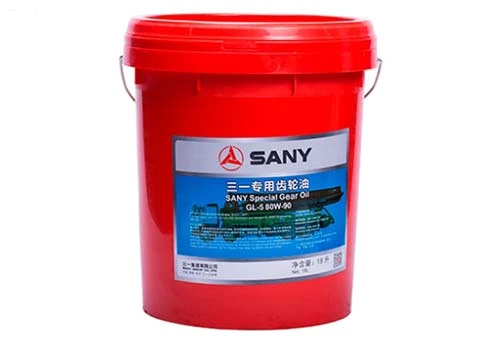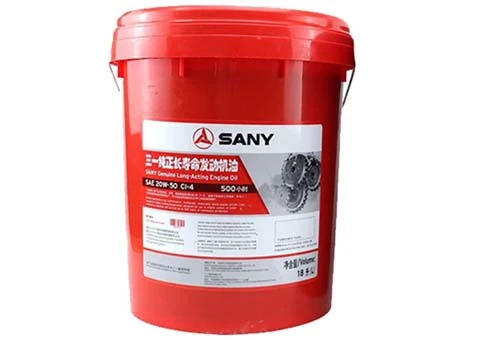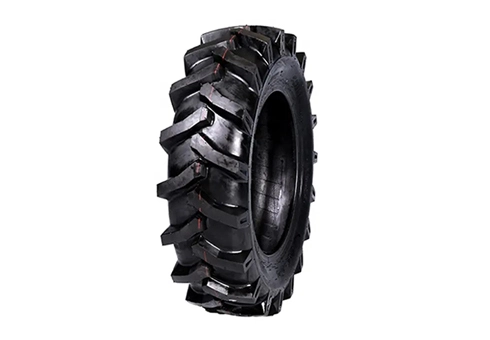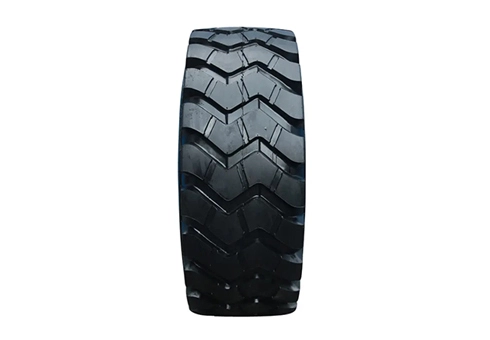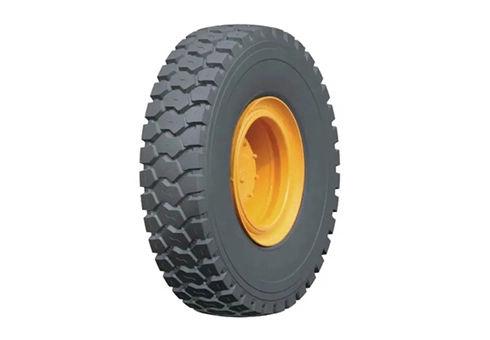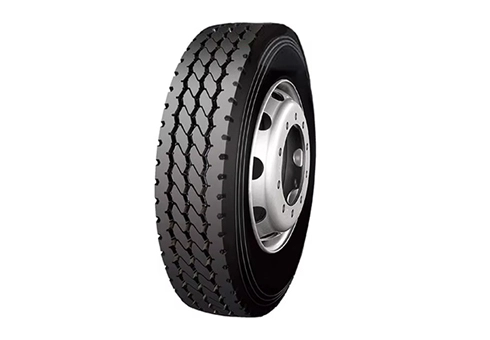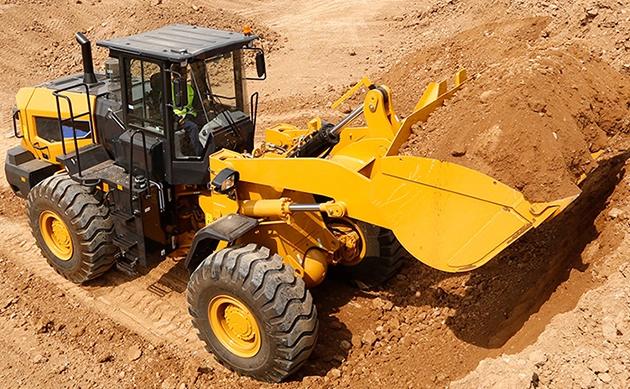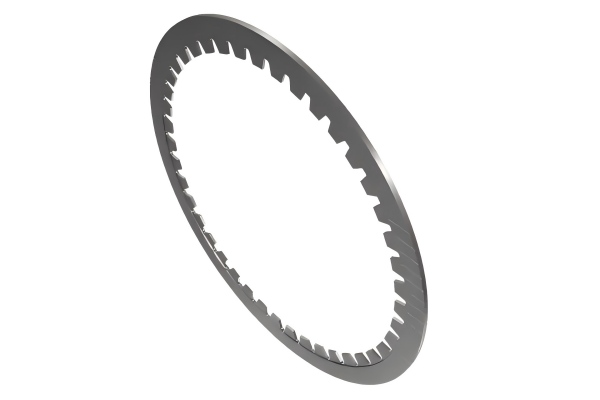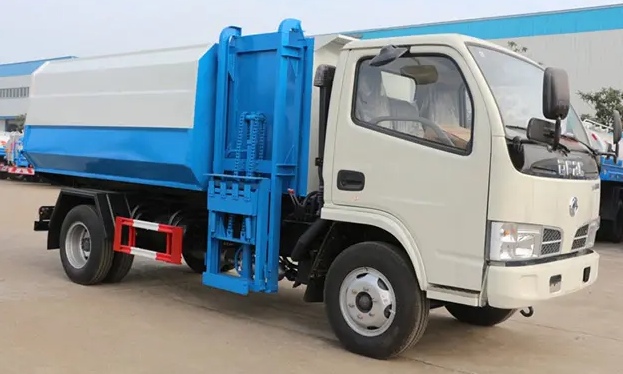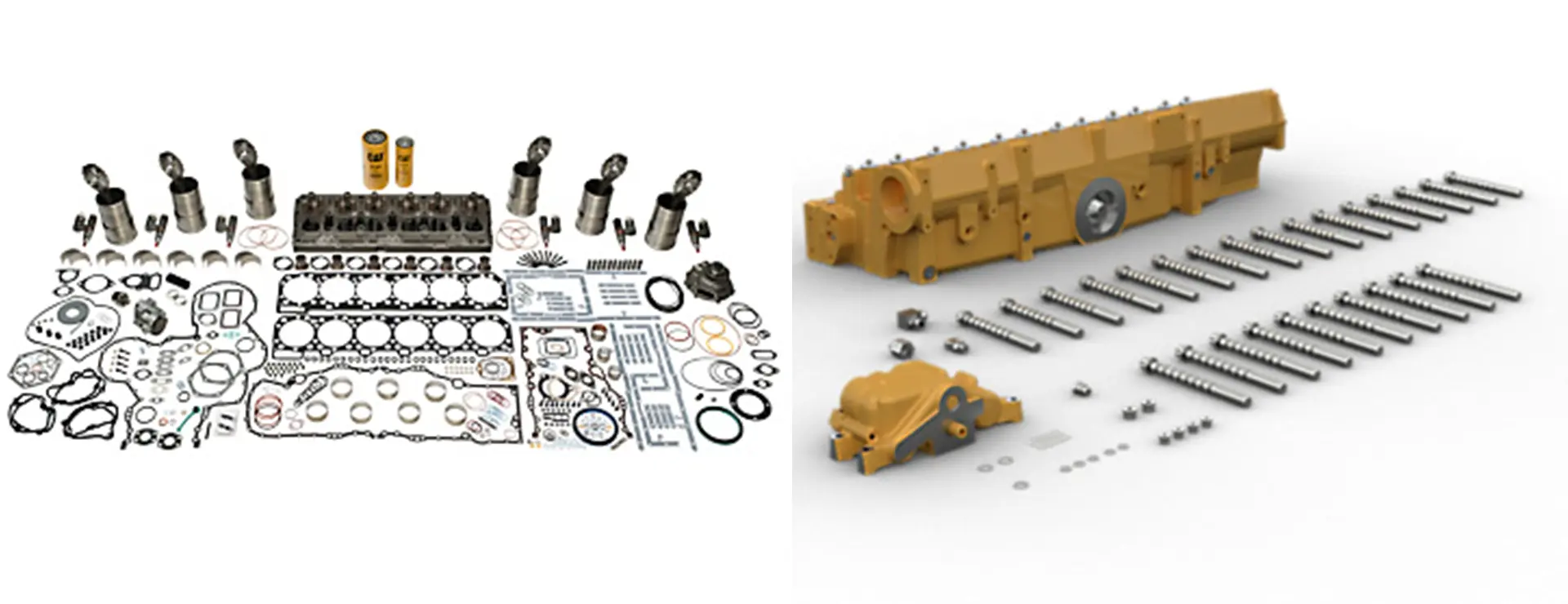


These parts range from small yet crucial items such as seals and valves to larger and more complex components like engine blocks and transmission gears. They are designed to replace worn - out, damaged, or malfunctioning parts, thereby restoring the equipment to its optimal working condition. Timely availability of genuine and high-quality spare parts is of utmost importance. It not only minimizes equipment downtime but also extends the overall lifespan of the machinery. For industries like manufacturing, construction, and transportation, a well - stocked inventory of equipment spare parts is a key factor in ensuring continuous productivity and profitability, as it allows for quick and efficient repairs and maintenance.
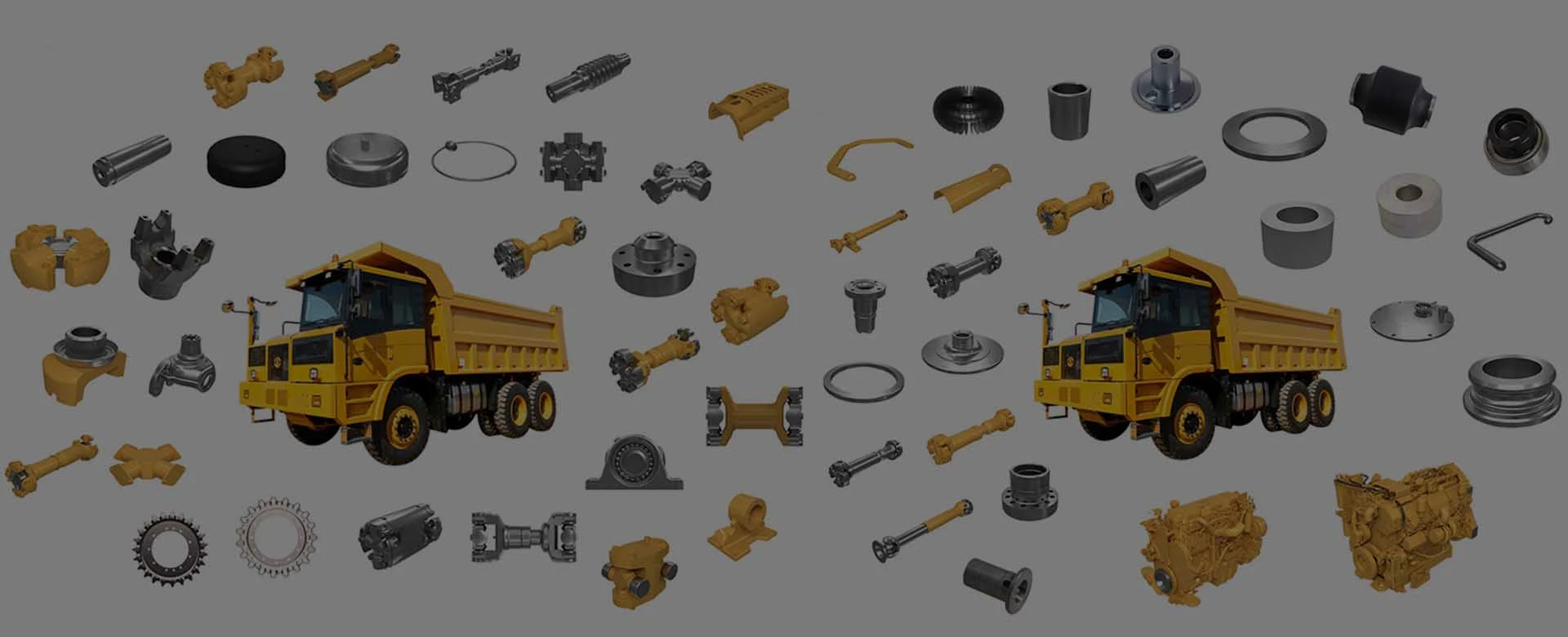
Artificial intelligence is transforming spare parts manufacturing by integrating various production processes into intelligent systems. In the manufacturing of components, it enables intelligent sensing, decision-making, and execution.
In quality inspection, computer vision combined with machine learning is employed to automatically identify defects in spare parts. High-resolution cameras capture images of the parts, and AI algorithms analyze them to detect cracks, surface imperfections, or dimensional deviations. Many electrical parts manufacturers are leveraging these AI-driven inspection technologies to ensure higher quality and reliability in their components.
Blockchain technology offers secure, transparent, and traceable data management in spare parts manufacturing and the supply chain.
Blockchain technology provides secure, transparent, and traceable data management throughout manufacturing and the supply chain. By improving visibility and coordination among stakeholders, suppliers, manufacturers, distributors, and customers can access the same blockchain-based information, enabling better planning and inventory management. Many machinery spare parts suppliers are now leveraging these technologies to increase operational efficiency, minimize errors, and deliver more reliable components to end-users.
Spare parts are designed to last longer by using high-quality materials. These materials are carefully selected to resist wear and tear, reducing the frequency of replacement. A well-constructed piston with a durable coating or a robust swing motor assembly can operate for a significantly longer time compared to lower-quality alternatives, thereby reducing the overall demand for spare parts and minimizing waste.
Modular designs are increasingly being adopted in spare parts. A modular spare part can be easily replaced or upgraded without having to replace the entire equipment.
Life cycle assessment (LCA) of spare parts involves analyzing the energy consumption and emissions throughout their entire life cycle. This includes the energy used in the extraction of raw materials, manufacturing, transportation, use, and disposal.

 English