As cities continue to expand, efficient waste collection and public cleaning systems have become essential for maintaining a healthy and sustainable urban environment. Municipal departments, waste management companies, and infrastructure contractors rely on different types of specialized vehicles to handle daily cleaning tasks, from household waste collection to road maintenance and sewage management.
A sanitation vehicle is designed to support urban environmental services by collecting waste, cleaning public areas, controlling dust, and managing wastewater. However, different sanitation challenges require different vehicle solutions. Selecting the right equipment depends on factors such as waste type, operating environment, cleaning frequency, and project requirements.
This guide introduces the main types of sanitation vehicles used in urban waste management and explains their applications to help buyers make better equipment decisions.
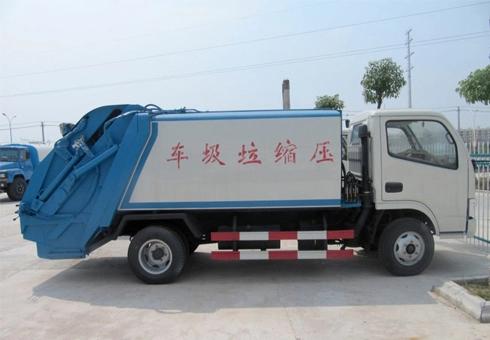
Garbage compactor trucks are among the most commonly used sanitation vehicles in cities. They are designed to collect household waste and compress it inside a sealed container, allowing more waste to be transported during each trip.
Compared with traditional garbage collection trucks, compactor trucks improve transportation efficiency by reducing the volume of collected waste. Their enclosed design also helps minimize odors, leakage, and exposure to waste during transportation.
These vehicles are widely used for:
| Application | Typical Use |
|---|---|
| Residential waste collection | Collecting household garbage from communities and neighborhoods |
| Commercial waste management | Handling waste from shopping areas, offices, and public facilities |
| Municipal cleaning projects | Supporting city-wide waste collection operations |
For cities with large populations and continuous waste generation, garbage compactor trucks provide a practical solution for improving collection efficiency and reducing transportation costs.
Road sweeper trucks are designed to maintain clean and safe public roads by removing dust, leaves, sand, and other debris from streets. They are commonly used in urban areas, industrial zones, airports, and public infrastructure projects.
Modern road sweepers typically combine sweeping, vacuuming, and waste collection functions. This allows operators to clean large areas more efficiently compared with manual cleaning methods.
Road sweeper trucks are especially valuable in cities where traffic volume, construction activities, or environmental conditions create frequent dust and debris problems. Regular road cleaning not only improves city appearance but also supports better air quality and safer transportation conditions.
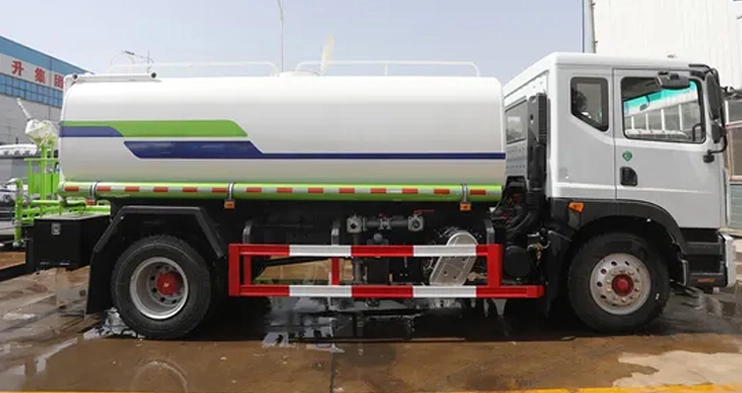
Water sprinkler trucks, also known as water spray trucks, play an important role in urban cleaning and environmental management. They are equipped with water tanks and spraying systems to wash roads, reduce dust, and support public area maintenance.
These vehicles are often used in:
Urban road dust suppression
Construction site cleaning
Green belt irrigation
Public area washing
In dry regions or rapidly developing cities, water sprinkler trucks help control airborne dust caused by traffic and construction activities. Their flexible spraying systems allow operators to adjust water distribution according to different working conditions.
Vacuum sewage trucks are specialized vehicles used for collecting and transporting liquid waste, sludge, and wastewater. They are essential for maintaining drainage systems, sewage tanks, and sanitation facilities.
These vehicles use powerful vacuum systems to remove accumulated waste from underground pipelines, septic tanks, and drainage areas. They are commonly used by municipal service departments, environmental companies, and industrial facilities.
Effective wastewater management helps prevent drainage blockages, flooding risks, and environmental pollution. For cities developing modern sanitation infrastructure, vacuum sewage trucks are an important part of urban maintenance systems.
Beyond standard waste collection and cleaning equipment, many cities require specialized vehicles to solve specific sanitation challenges. These vehicles are designed for targeted applications where conventional equipment may not provide the required efficiency.
Examples include kitchen waste collection trucks, hook lift garbage trucks, waste transfer vehicles, and other customized sanitation equipment. Each type is developed according to different waste sources, transportation methods, and operational requirements.
For example, kitchen waste trucks are designed for collecting food waste from restaurants and commercial facilities, while hook lift trucks provide flexibility by transporting different containers according to project needs.
Companies and government organizations can explore different special vehicle solutions through Fanbuzhe’s special trucks product range, which covers various equipment requirements for international markets.
Choosing the right sanitation vehicle requires evaluating the actual needs of the project rather than selecting equipment based only on vehicle size or capacity. The best choice depends on the type of waste, working environment, and long-term operating requirements.
First, buyers should identify the main sanitation task. A city focusing on household waste collection may need garbage compactor trucks, while an area with frequent road dust problems may require road sweepers or water sprinkler trucks.
Second, operating conditions should be considered. Factors such as road width, climate, waste volume, and working frequency can influence the ideal vehicle configuration. A vehicle used in narrow urban streets may require different specifications compared with equipment used for large industrial areas.
Finally, maintenance support and supplier capability are important factors. Reliable spare parts supply, technical assistance, and after-sales service can significantly affect the long-term performance of sanitation equipment.
Fanbuzhe provides heavy equipment and special vehicle solutions for global customers, supporting municipal projects, contractors, and distributors with different application requirements. If you need help selecting suitable sanitation equipment for your project, you can contact the Fanbuzhe team for professional recommendations.
Urban waste management requires a combination of different vehicles to handle collection, transportation, cleaning, and environmental maintenance tasks effectively. From garbage compactor trucks and road sweepers to water sprinkler trucks and vacuum sewage vehicles, each type of equipment serves a specific role in maintaining modern cities.
Selecting the right sanitation vehicle depends on understanding project requirements, operating conditions, and future maintenance needs. By choosing suitable equipment and working with an experienced supplier, municipalities and businesses can build more efficient and reliable sanitation systems.
A sanitation vehicle is used for urban cleaning tasks such as waste collection, road cleaning, dust control, and wastewater management.
Common types include garbage compactor trucks, road sweeper trucks, water sprinkler trucks, vacuum sewage trucks, and specialized cleaning vehicles.
The choice depends on waste type, cleaning requirements, operating environment, vehicle capacity, and maintenance support.
Yes. Many sanitation vehicles can be customized according to local regulations, road conditions, and specific municipal requirements.
 English