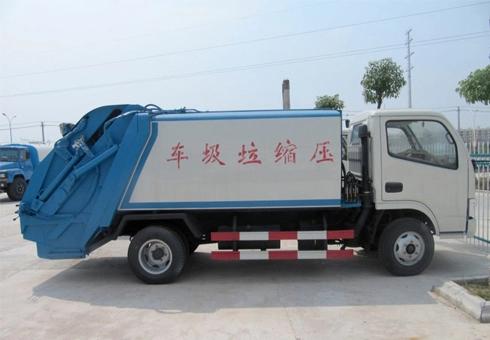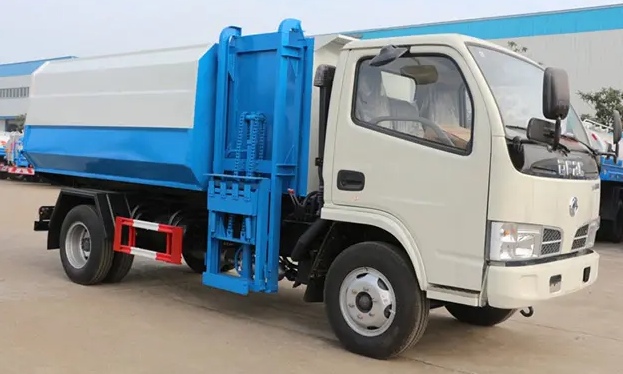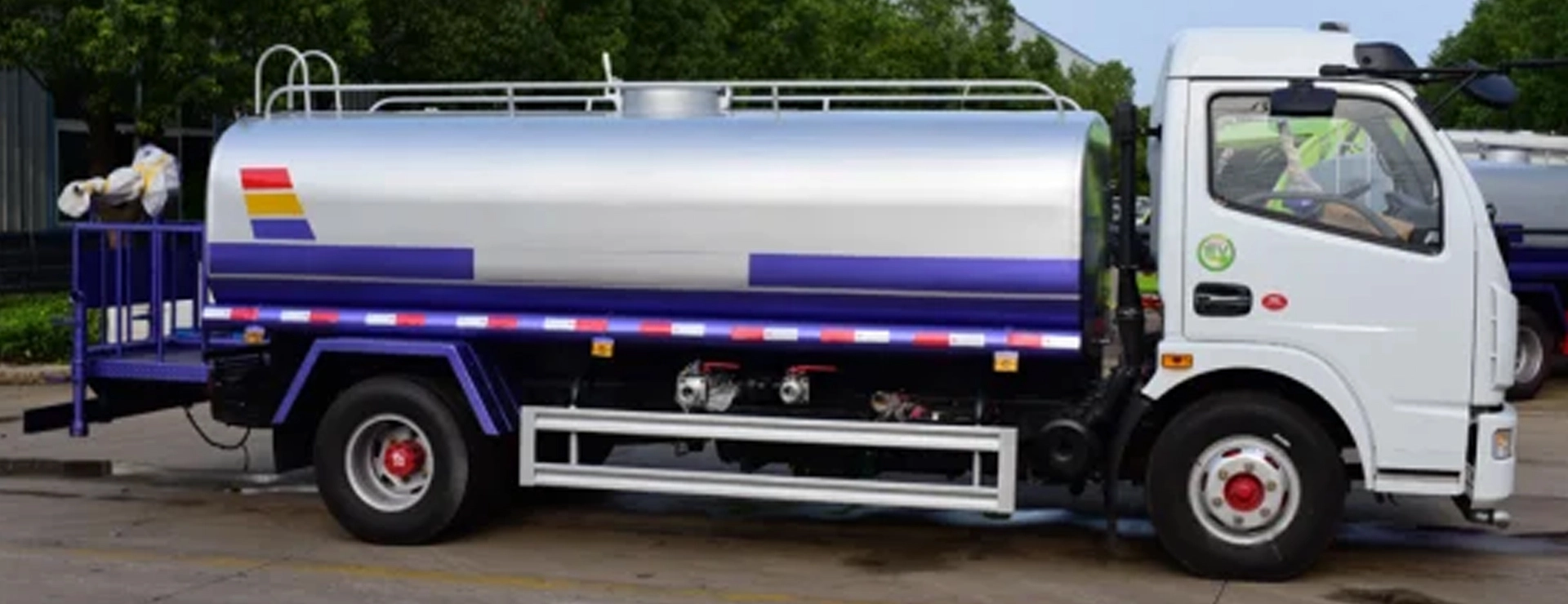


Sanitation trucks, also known as garbage trucks or refuse trucks, are a crucial part of modern waste management systems. These specialized vehicles are designed to collect, transport, and dispose of various types of waste materials in an efficient and hygienic manner. Choosing the right model from a trusted sanitation vehicle factory like Fanbuzhe ensures durability, efficiency, and compliance with environmental standards.
Sanitation trucks come in different types and configurations to meet the diverse needs of waste collection. The most common type is the rear loader, which features a large hopper at the rear of the truck. Garbage bins or containers are manually or mechanically lifted and emptied into the hopper. The hopper is then compacted using a hydraulic compaction mechanism, maximizing the amount of waste that can be carried and reducing the frequency of trips to the disposal site.
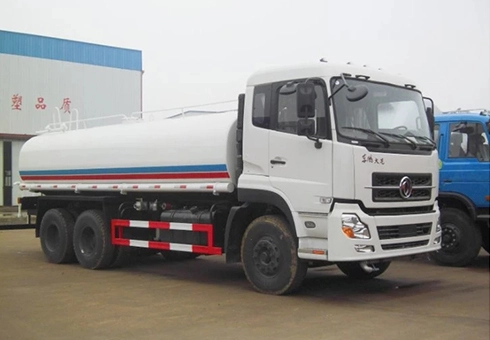
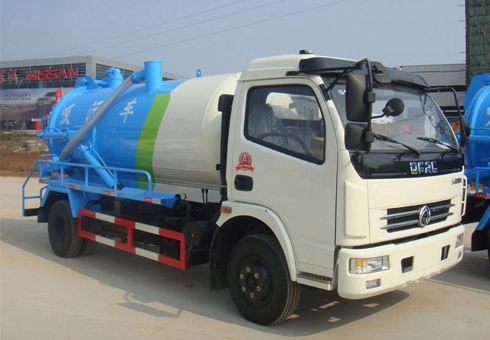
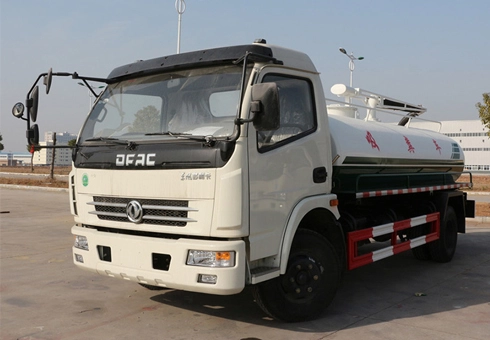
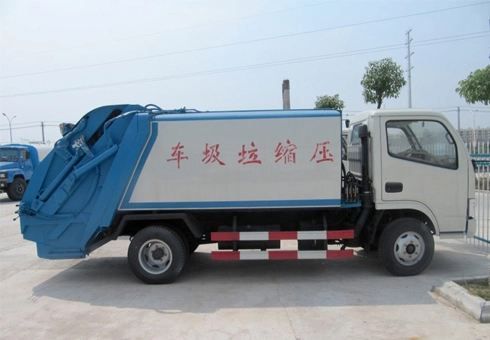
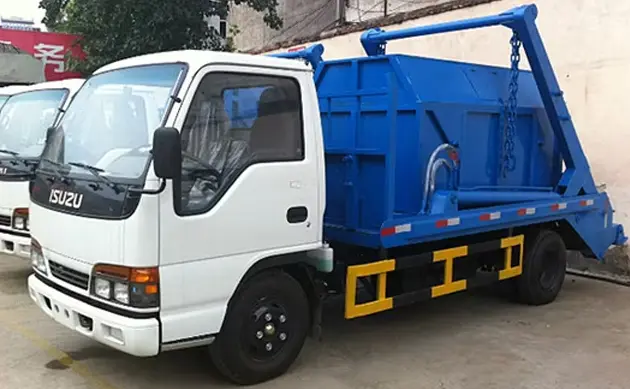
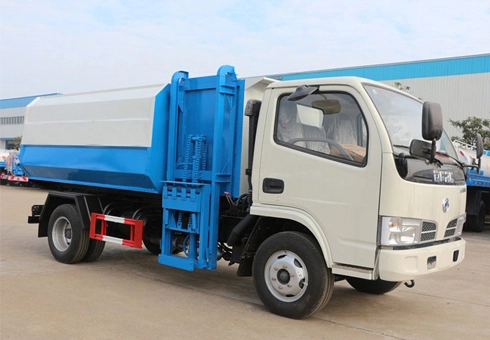
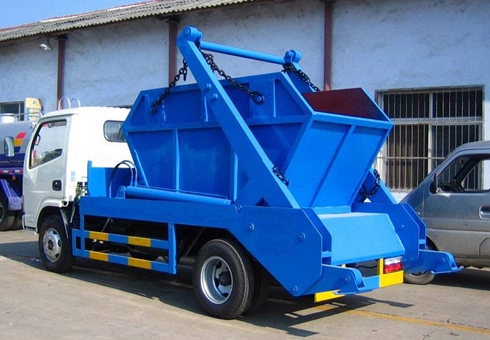
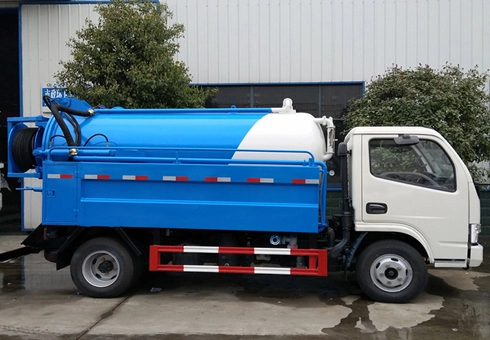
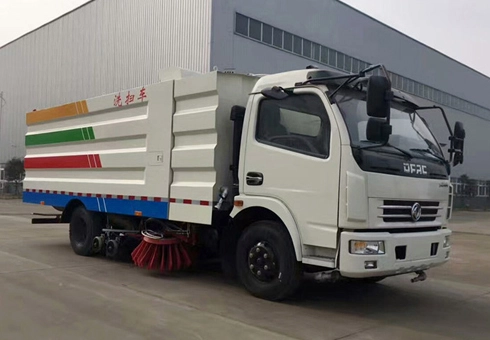
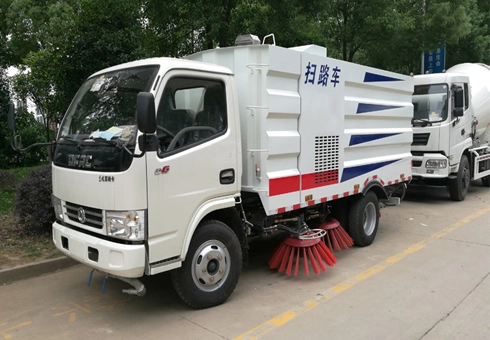
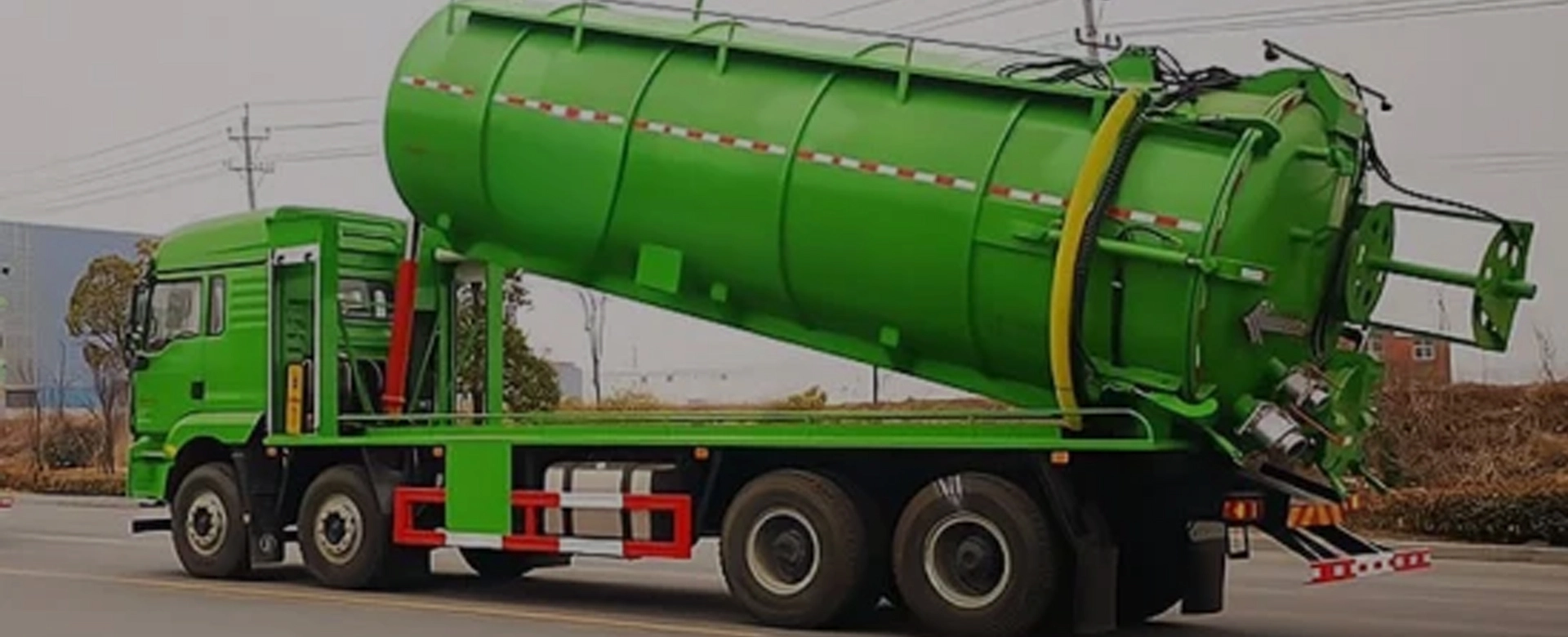
Sanitation trucks follow a set schedule to visit residential neighborhoods. They collect waste from individual households, typically in the form of garbage bins or bags placed at the curb. The trucks are equipped with mechanisms to lift and empty the waste containers into their storage compartments.These vehicles are often developed by a professional sanitation vehicle factory to ensure reliability and operational efficiency in urban environments.
Sanitation trucks are designed to carry large volumes of waste. The size and shape of the truck bodies are optimized to maximize the amount of waste that can be transported in a single trip.
Most of the waste collected by sanitation trucks is taken to landfills or transfer stations. Landfills are designed to safely contain and manage waste over a long period.In specialized waste management scenarios, equipment such as a fecal suction truck may also be used to handle liquid or septic waste, complementing standard sanitation operations.
When it comes to maintaining urban and industrial cleanliness, high-performance sanitation trucks are essential. These vehicles need to handle a wide variety of waste materials efficiently, operate reliably in different conditions, and adhere to strict environmental and safety standards.(Many municipalities and contractors source their equipment from a trusted sanitation vehicle factory to ensure durability and consistent performance.)
A high-performance sanitation truck should have a large loading capacity to handle the significant volumes of waste generated in urban and industrial settings.Modern designs often integrate features inspired by hot mix asphalt patch truck technology for robust material handling and load management.
High-performance sanitation trucks should offer versatility in loading methods.
The truck's loading mechanisms should be able to handle a wide range of container sizes and types.
A good suspension system is essential to provide a smooth ride and protect the truck's components and the waste load.

 English