A crawler excavator is usually the better choice for heavy-duty operations, uneven terrain, and projects requiring maximum stability and digging power, while a wheeled excavator is more suitable for urban construction, road maintenance, and applications requiring frequent mobility between job sites. The right choice depends on factors such as working environment, ground conditions, transportation needs, and project requirements.
Both machines perform similar excavation tasks, but their undercarriage designs create significant differences in mobility, stability, operating efficiency, and application range. Understanding these differences helps contractors select the right equipment and maximize productivity.
The primary difference lies in their undercarriage systems.
A crawler excavator uses continuous tracks that distribute machine weight across a larger contact area. This design provides excellent stability, strong traction, and better performance on soft or uneven ground. It is commonly used for mining, earthmoving, foundation work, and large-scale construction projects.
A wheeled excavator operates on rubber tires, allowing faster movement on paved surfaces and improved flexibility in urban environments. It can travel between different locations without requiring special transportation equipment, making it efficient for road construction, utility work, and municipal projects.
For businesses looking for a crawler excavator for sale, understanding these differences is essential to ensure the machine matches the intended working conditions.
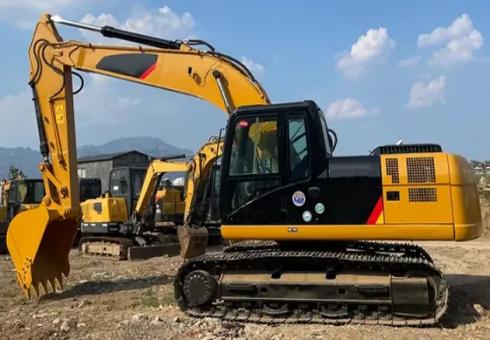
Crawler excavators are designed for demanding environments where stability and traction are critical. Their track systems provide a larger ground contact area, reducing ground pressure and allowing the machine to operate effectively on mud, sand, slopes, and rough terrain.
Key advantages include:
Higher stability during heavy digging operations
Better traction on unstable surfaces
Lower risk of sinking on soft ground
Stronger performance in steep or uneven areas
These characteristics make crawler excavators widely used in mining sites, large infrastructure projects, forestry operations, and major earthmoving applications.
A professional crawler excavator factory typically focuses on optimizing hydraulic performance, track durability, and structural strength to meet the requirements of these intensive working environments.
Wheeled excavators are designed for projects where mobility and speed are more important than extreme terrain capability.
Their rubber tires allow operators to drive directly on roads and move quickly between nearby job sites. This reduces the need for additional transportation equipment and improves overall project efficiency.
Wheeled excavators are commonly used for:
Road construction and repair
Urban infrastructure projects
Pipeline installation
Landscaping and municipal engineering
Material handling in developed areas
For contractors working mainly in cities or on projects with frequent relocation requirements, a wheeled excavator can provide greater operational flexibility.
Crawler excavators generally provide better stability because their track system creates a wider support base. This allows operators to handle heavier loads, use larger attachments, and perform powerful digging operations with reduced machine movement.
The increased stability is particularly valuable when working with:
Deep excavation tasks
Heavy materials
Large buckets or hydraulic attachments
Sloped or uneven surfaces
Wheeled excavators offer sufficient stability for many applications, but they are usually better suited to lighter excavation tasks where mobility is a higher priority.
Yes, crawler excavators are typically preferred for heavy construction projects because they combine strong digging force, durability, and reliable performance in difficult environments.
Large construction companies often choose crawler models for projects such as:
Highway construction
Mining operations
Dam and infrastructure development
Large-scale land preparation
Foundation excavation
The robust structure and powerful hydraulic systems allow crawler excavators to handle demanding workloads over extended operating periods.
When selecting equipment from an excavator factory, buyers should evaluate not only machine size but also hydraulic efficiency, attachment compatibility, fuel consumption, and after-sales support.
Operating costs depend on the project environment and usage patterns.
Crawler excavators may require more transportation planning because tracks are not designed for long-distance road travel. However, their durability and performance in difficult conditions can improve productivity and reduce downtime on challenging projects.
Wheeled excavators can lower transportation costs because they can move independently between locations. However, tire wear and reduced performance on rough terrain may increase maintenance costs in certain applications.
The most cost-effective option is the one that matches the machine capabilities with the working environment.
The selection process should consider several practical factors:
Choose a crawler excavator for soft soil, slopes, uneven terrain, and heavy-duty construction sites. Choose a wheeled excavator for paved areas, urban projects, and frequent movement between locations.
Projects requiring deep excavation, heavy lifting, or large attachments usually benefit from crawler excavator stability and power.
If the machine needs to move frequently across roads, a wheeled excavator may provide better efficiency.
Contractors should consider their typical projects rather than only current requirements. Selecting the right excavator type can improve productivity and increase equipment utilization.
Modern excavator development focuses on improving efficiency, operator comfort, and environmental performance. Advanced hydraulic systems, intelligent control technology, fuel-saving engines, and durable components are becoming standard features in new machines.
Leading manufacturers continue to optimize excavator designs to provide stronger performance with lower operating costs. Working with an experienced excavator factory allows buyers to access customized solutions based on project requirements, including different machine sizes, attachments, and configurations.
Crawler excavators and wheeled excavators serve different construction needs. Crawler excavators deliver superior stability, traction, and digging performance for demanding environments, while wheeled excavators provide excellent mobility and efficiency for urban and road-based applications.
Choosing the right equipment requires a clear understanding of project conditions, operating requirements, and long-term usage goals. By selecting the appropriate excavator type, contractors can improve productivity, reduce operating challenges, and achieve better project results.
A crawler excavator is better for heavy-duty and rough terrain projects, while a wheeled excavator is better for urban and mobile operations.
Yes, but they usually require transportation equipment for long-distance road movement.
Their track system provides a larger ground contact area, improving balance and traction.
They are commonly used in mining, infrastructure construction, earthmoving, and foundation projects.
Choose an experienced supplier or excavator factory that provides reliable machines, customization options, and technical support.
 English