Mining operations require equipment that can handle demanding working conditions, heavy materials, and continuous production schedules. Among the essential machines used in open-pit mines, quarries, and mineral processing sites, wheel loaders play an important role in moving materials efficiently and maintaining productivity.
Choosing the right mine wheel loader is not simply about selecting a machine with higher horsepower or larger capacity. The ideal loader should match the mining environment, material characteristics, transportation system, and long-term operating requirements. A properly selected machine can improve loading efficiency, reduce downtime, and support more stable mining operations.
This buying guide explains the key factors that mining companies, contractors, and equipment distributors should consider when selecting a wheel loader for mining applications.
A mine wheel loader is a heavy-duty loading machine designed for handling large volumes of materials in mining and quarry environments. Unlike standard construction loaders, mining loaders are built to operate under more challenging conditions, including rough terrain, abrasive materials, and extended working hours.
In mining operations, wheel loaders are commonly used for loading ore, transporting rocks, moving overburden, feeding crushers, and managing stockpiles. Their mobility allows them to move quickly between working areas, making them an efficient solution for material handling tasks.
The working process is based on a simple but effective cycle: the loader drives toward the material pile, fills the bucket, transports the load, and transfers the material to trucks, crushers, or storage areas. Improving each loading cycle can directly influence overall mine productivity.
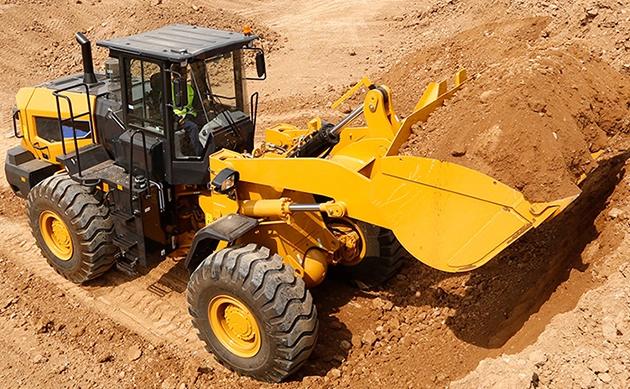
Although both machines share similar operating principles, mining applications require stronger structures and more durable components. A standard wheel loader may perform well in construction projects, but mining environments demand equipment designed for heavier workloads.
| Comparison Factor | Standard Wheel Loader | Mining Wheel Loader |
|---|---|---|
| Working Environment | Construction sites and general material handling | Mining sites, quarries, and heavy-duty applications |
| Material Handling | Sand, soil, gravel, and common materials | Ore, rocks, minerals, and highly abrasive materials |
| Structure Design | Designed for normal operating conditions | Reinforced components for demanding workloads |
| Bucket Requirements | General-purpose bucket options | Heavy-duty buckets designed for mining materials |
For mining companies, choosing a loader designed specifically for mining conditions helps improve reliability and reduces unexpected maintenance caused by excessive stress.
Bucket capacity is one of the most important factors when selecting mining equipment. A larger bucket can move more material in each cycle, but the capacity should match the size of the transport trucks and the characteristics of the material.
For example, a loader working in a large open-pit mine may require a higher-capacity bucket, while a smaller quarry operation may benefit from a more compact machine with better flexibility.
Mining sites often involve uneven surfaces and heavy materials. The operating weight of a loader affects its stability, traction, and ability to maintain performance under difficult conditions.
A properly balanced machine provides better control when carrying heavy loads and helps improve operator safety during daily operations.
Engine performance directly affects digging force, loading speed, and productivity. However, maximum power is not always the best choice. Mining companies should consider the relationship between engine output, fuel consumption, and working hours.
A well-matched power system can help reduce operating costs while maintaining consistent production performance.
The hydraulic system controls key functions such as lifting, bucket movement, and loading operations. A responsive hydraulic system helps shorten cycle times and improves working efficiency.
When evaluating a loader, buyers should consider hydraulic reliability, maintenance requirements, and performance under continuous operation.
Mining operations often take place in remote areas where equipment downtime can create significant losses. Before purchasing, companies should evaluate whether the supplier can provide technical support, spare parts, and after-sales service.
Working with an experienced supplier can make equipment management easier throughout the machine’s service life.
A mine wheel loader can support various mining activities depending on the project requirements.
In open-pit mining, loaders are widely used for moving extracted materials and loading transportation vehicles. In quarry operations, they handle crushed stone, aggregates, and other bulk materials. In mineral processing facilities, loaders are often used for stockpile management and feeding production equipment.
Because mining projects have different production targets and site conditions, equipment selection should always consider the complete workflow rather than a single loading task.
The right loader can improve mining efficiency by reducing unnecessary movement, increasing loading speed, and supporting continuous material flow. When the loader capacity matches the transportation system, operators can achieve smoother production cycles.
Modern mining companies also focus on reducing operating costs. A reliable loader with suitable configuration can help lower fuel consumption, reduce maintenance frequency, and extend equipment service life.
For companies looking for different loader solutions, Fanbuzhe provides various construction equipment options designed for international markets. You can explore more solutions through our loader product range.
Selecting the right equipment supplier is as important as selecting the machine itself. Fanbuzhe focuses on providing heavy equipment solutions for global construction, mining, and infrastructure projects.
With experience in international equipment supply, Fanbuzhe supports customers with equipment selection, project requirements evaluation, and long-term service considerations. Whether you are a mining contractor, distributor, or project owner, choosing a supplier with complete support capabilities can simplify the purchasing process.
If you are planning a mining project and need professional equipment recommendations, contact the Fanbuzhe team through our contact page to discuss your requirements.
Choosing the right loader for mining operations requires careful consideration of working conditions, material types, machine capacity, durability, and supplier support. The best equipment is not always the largest one, but the one that matches the specific needs of your mining project.
A reliable mine wheel loader can improve productivity, reduce operating challenges, and provide long-term value for mining companies. By evaluating key performance factors and working with an experienced equipment supplier like Fanbuzhe, businesses can make more confident purchasing decisions.
A mine wheel loader is mainly used for loading, transporting, and handling materials such as ore, rocks, and minerals in mining and quarry operations.
The suitable size depends on factors such as mine scale, material type, bucket capacity requirements, and transportation equipment.
Mining loaders are designed with stronger structures, heavier-duty components, and better durability for harsh mining environments.
Consider the supplier’s equipment quality, export experience, technical support, spare parts availability, and after-sales service capability.
 English