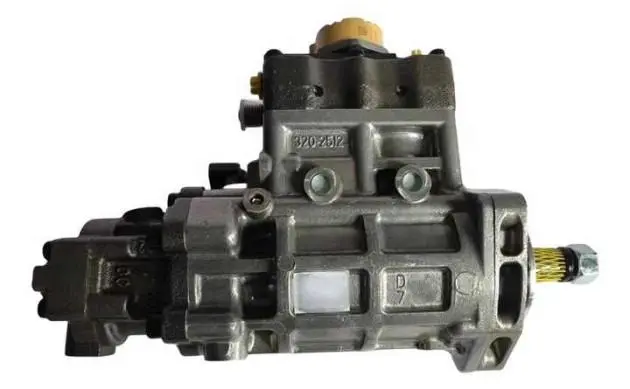
The fuel injection pump is often described as the "heart" of a diesel engine. Its primary function is to deliver fuel to the cylinders in precise quantities and at the exact moment required for combustion. Because modern diesel engines operate under increasingly high pressures and strict emission standards, the quality and reliability of the fuel system are paramount. For fleet managers, mechanics, and procurement specialists, navigating the landscape of Fuel Injection Pump Manufacturers is a critical task. Choosing the wrong supplier can lead to catastrophic engine failure, decreased fuel efficiency, and regulatory non-compliance. Conversely, partnering with a high-quality manufacturer ensures optimal engine performance and longevity.
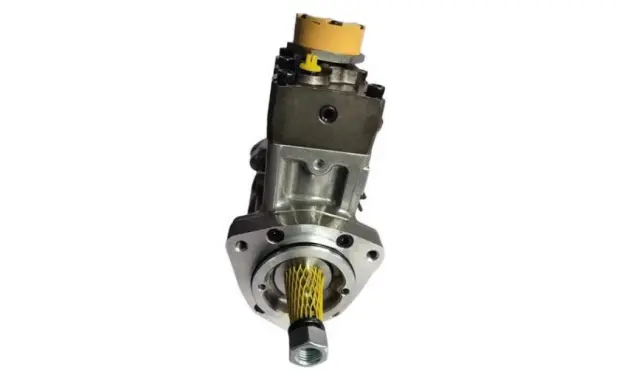
This guide aims to demystify the selection process by exploring the technical and commercial criteria that define a superior manufacturer. From the intricacies of micron-level machining to the complexities of electronic calibration, understanding these factors helps in making informed purchasing decisions. Whether sourcing a replacement for a heavy-duty agricultural tractor or a fleet of logistics trucks, the principles of selection remain consistent. We will explore the critical importance of precision manufacturing, the equipment used for validation, compatibility issues, the economics of remanufactured units versus new ones, and the logistical aspects of warranties and core exchanges. By the end of this article, you will be equipped with the knowledge to select a partner who meets your specific operational needs.
When evaluating Fuel Injection Pump Manufacturers, the conversation must start with Precision Machining Capabilities. A fuel injection pump operates at pressures that can exceed 30,000 PSI (pounds per square inch) in modern Common Rail systems. At these pressures, even the slightest imperfection in the metalwork can result in internal leakage, loss of pressure, or catastrophic seizure of the pump components. Therefore, a manufacturer’s ability to machine parts to extremely tight tolerances—often measured in microns—is the single most significant indicator of quality.
Top-tier manufacturers utilize advanced Computer Numerical Control (CNC) machinery and automated grinding centers. This equipment ensures that components such as plungers, barrels, and delivery valves are manufactured with consistent geometry. For example, the clearance between a plunger and its barrel is often less than the width of a human hair. If this clearance is too wide, fuel leaks back internally, reducing engine power. If it is too tight, the friction causes overheating and seizure. The best manufacturers implement climate-controlled machining environments to prevent thermal expansion from affecting measurements during the production process.
Furthermore, surface finish is just as critical as dimensional accuracy. Manufacturers must employ sophisticated honing and lapping processes to create surface finishes that retain microscopic amounts of lubrication while sealing high-pressure fuel. This reduces wear and tear over the engine's lifecycle. Below is a breakdown of critical machining processes and their impact on pump performance.
| Machining Process | Typical Tolerance | Impact on Performance |
|---|---|---|
| CNC Turning/Milling | +/- 0.01 mm | Ensures proper fitment within the engine housing and gear train alignment. |
| Precision Grinding | +/- 0.002 mm | Critical for the roundness of shafts and plungers to prevent vibration and wear. |
| Honing/Lapping | +/- 0.001 mm | Determines the hydraulic seal efficiency; prevents fuel dilution and pressure loss. |
| Thermal Treatment | N/A (Hardness Scale) | Case hardening ensures components withstand high-cycle fatigue without cracking. |
In addition to the machinery itself, expert manufacturers invest heavily in metallurgy. The steel used must be free of inclusions and impurities. Manufacturers with strong Precision Machining Capabilities often have in-house metallurgical labs or strict supplier controls to verify raw material quality before a single cut is made. When selecting a supplier, inquire about their quality assurance protocols, specifically regarding surface, roundness, and cylindricity measurements.
Once a pump is assembled, it is essentially a paperweight until it undergoes rigorous testing and calibration. The Calibration Equipment Used by a manufacturer separates professional engineering firms from backyard rebuild shops. Calibration ensures that the pump delivers the exact amount of fuel required at specific RPMs and load conditions. In multi-cylinder engines, it is also vital that the pump delivers equal amounts of fuel to every cylinder (phasing and balancing). If one cylinder receives more fuel than the others, it causes rough idling, excessive vibration, and potential piston damage.
Modern fuel systems, particularly Common Rail and Electronic Unit Injectors (EUI), require sophisticated test benches that simulate the engine's ECU (Electronic Control Unit). Manufacturers like Bosch, Hartridge, and Stanadyne produce industry-standard test benches that reputable pump manufacturers utilize. These benches spin the pump at operating speeds, supplying fluid at controlled temperatures and pressures to measure output with digital precision. A manufacturer relying on vintage, analog test stands for modern electronic pumps cannot guarantee compliance with Tier 4 or Euro 6 emission standards.
The calibration process involves generating a test plan based on OEM (Original Equipment Manufacturer) specifications. The pump is tested at various set points: cranking speed (start), idle, torque peak, and rated power. Adjustments are made to internal governors, flow control valves, and electronic solenoids to bring the performance within the "test window." Reputable manufacturers will provide a printed or digital calibration report with every pump, proving it passed all test points.
Below are common types of test equipment and their functions:
| Equipment Type | Application | Key Function |
|---|---|---|
| Mechanical Test Bench | Older Inline/Rotary Pumps | Measures fuel delivery via glass graduates; sets mechanical timing and governors. |
| Common Rail Test Stand | Modern High-Pressure Systems | Generates rail pressure mapping; tests electronic metering valves and sensor feedback. |
| EUI/EUP Cam Box | Unit Injectors/Pumps | Simulates the camshaft lift to actuate the pump visually and electronically. |
| Flow Bench | Component Level | Tests individual flow rates of nozzles or control valves before final assembly. |
When vetting a supplier, visual inspection of their facility—even via video tour—is valuable. Look for clean rooms where Calibration Equipment Used is housed. Contamination is the enemy of diesel fuel systems; testing pumps in a dirty environment can introduce debris that destroys the injectors downstream. A commitment to state-of-the-art calibration technology demonstrates a manufacturer's dedication to reliability and emissions compliance.
The diesel engine market is fragmented, with dozens of major engine manufacturers producing thousands of different engine variations over the decades. Consequently, a manufacturer’s broad Compatibility with Engine Models is a significant advantage for buyers. A robust supplier should categorize their inventory and manufacturing capabilities not just by pump part number, but by engine application. This cross-reference capability is essential because a single pump model might be configured differently for a John Deere tractor compared to a marine generator, despite looking identical externally.
Key engine brands that top-tier pump manufacturers must support include Caterpillar, Cummins, Detroit Diesel, Deutz, Perkins, Yanmar, and Kubota, among others. The challenge lies in the specific "trim codes" or fuel settings. Software updates in modern engines mean that the physical pump hardware interacts with the engine management system in specific ways. A manufacturer must have access to the data required to program or set the pump for the specific Engine Serial Number (ESN) of the customer.
Furthermore, compatibility extends to the evolution of technology. A good manufacturer handles the spectrum of fuel system generations:
Mechanical Inline Pumps: Robust, older technology found in legacy agricultural and construction equipment (e.g., Bosch P-Pump).
Rotary Distributor Pumps: Compact pumps common in light trucks and smaller industrial engines (e.g., Stanadyne DB2, Bosch VE).
Unit Injection Systems: Where the high-pressure pump and injector are combined (e.g., Detroit Series 60, CAT C15).
High-Pressure Common Rail (HPCR): The current standard involving a high-pressure supply pump and electronic injectors.
Misidentifying compatibility is a frequent cause of downtime. Installing a pump with the wrong governor setting can lead to an engine that cannot handle a load or over-revs (runaway). Therefore, reliable manufacturers maintain extensive databases. They should ask you for the pump part number, the engine model, and the application type. If a supplier simply says "it fits" without verifying the specific application data, proceed with caution. The best Fuel Injection Pump Manufacturers act as technical consultants, ensuring the part you buy matches the precise engineering requirements of the legacy or modern equipment you operate.
In the world of diesel components, the debate between Remanufactured vs. New Pumps is a central consideration for budget and performance. It is important to distinguish "remanufactured" (Reman) from "rebuilt" or "repaired." A true remanufacturing process restores the used product to the same specifications as a new product, often incorporating the latest engineering updates. In contrast, a simple repair usually fixes only the broken part, leaving other worn components in place.
Buying new pumps, usually direct from the OEM (like Bosch, Denso, or Delphi), guarantees the highest level of confidence but comes with the highest price tag. For current-production vehicles under warranty, new pumps are often the only option. However, for older equipment or out-of-warranty fleets, high-quality remanufactured pumps offer a cost-effective solution without sacrificing reliability. A reputable Remanufacturer completely disassembles the core, cleans it ultrasonically, and discards all "wear parts" (seals, gaskets, bearings, and often the pumping plungers/barrels) regardless of their appearance.
The economic advantage of remanufacturing is significant, often costing 30% to 50% less than a new unit. Environmentally, it is also superior, as it recycles the durable steel housing and shafts, reducing the energy footprint of production. However, not all reman is created equal. The market is flooded with "spray and pray" rebuilds—units that are cleaned, painted, and shipped without proper internal renewal.
To help navigate the Remanufactured vs. New Pumps decision, consider the following comparison:
| Feature | New OEM Pump | Quality Remanufactured | "Rebuilt" / Repaired |
|---|---|---|---|
| Cost | High | Moderate | Low |
| Warranty | Standard (e.g., 1 Year) | Usually matches New | Limited (30-90 days) |
| Wear Parts | 100% New | 100% New | Only broken parts replaced |
| Engineering Updates | Included | Included | Rarely Included |
| Lifespan Expectancy | 100% | 95-100% | Unpredictable (50% or less) |
When selecting a manufacturer, ask if they are an Authorized Service Dealer for major heavy-duty brands. Authorized remanufacturers have access to proprietary parts and calibration data that independent shops do not. Choosing a certified remanufactured unit bridges the gap, offering the reliability of a new unit at a fraction of the cost.
The business side of purchasing a fuel pump revolves around the policy of Warranty and Core Exchange. A strong warranty is a manufacturer's vote of confidence in their product. In the fuel injection industry, a standard warranty for a reputable remanufactured or new pump is typically 12 months, usually with unlimited miles or hours. Some premium manufacturers offer extended warranties up to 24 months. Be wary of warranties that have excessive exclusions regarding fuel quality, as this is a common loophole used to deny claims.
Understanding the Core Exchange program is equally vital. The "core" is your old, failed pump. Manufacturers need these cores to sustain the remanufacturing cycle. When you buy a pump, you typically pay a "core charge" upfront—a deposit that is refunded when you send your old pump back. However, the criteria for core acceptance vary wildly between suppliers.
Transparent manufacturers have clear "Core Acceptance Criteria." Generally, a core is acceptable if it is assembled, visually intact, and not cracked or damaged by fire or severe rust. Some suppliers operate on a "no-hassle" core policy, accepting any condition, while others may deduct money from your refund for broken shafts or seized heads. It is crucial to read the fine print on core returns before purchase to avoid unexpected costs. Efficient logistics for returning cores—such as provided return shipping labels—signal a customer-centric manufacturer.
Additionally, evaluate the warranty claim process. If a pump fails, does the manufacturer require you to ship it back to them for inspection before sending a replacement (which increases downtime), or do they send an advance replacement? The best Fuel Injection Pump Manufacturers prioritize getting your equipment back up and running, offering expedited replacement options and fair labor reimbursement policies for commercial accounts.
Ultimately, the combination of a solid warranty and a fair core policy protects your bottom line. It ensures that the initial savings of a purchase aren’t wiped out by hidden fees or uncompensated failures later down the road.
Selecting the right partner among the many Fuel Injection Pump Manufacturers is a decision that extends far beyond the price tag on the invoice. It is a choice that impacts the efficiency of your engines, the compliance of your fleet with environmental standards, and the overall uptime of your operations. As we have explored, high-quality manufacturing is defined by Precision Machining Capabilities that ensure tight tolerances, and the utilization of advanced Calibration Equipment Used to verify performance against strict OEM standards.
Whether you are navigating the complexities of Compatibility with Engine Models or weighing the economic trade-offs of Remanufactured vs. New Pumps, knowledge is your best defense against sub-par components. Always prioritize suppliers who offer transparent Warranty and Core Exchange policies, as these are indicators of a business that stands behind its craftsmanship. By focusing on these five pillars—precision, calibration, compatibility, product type, and policy—you can confidently select a fuel injection pump supplier that delivers value, durability, and peace of mind.
 English