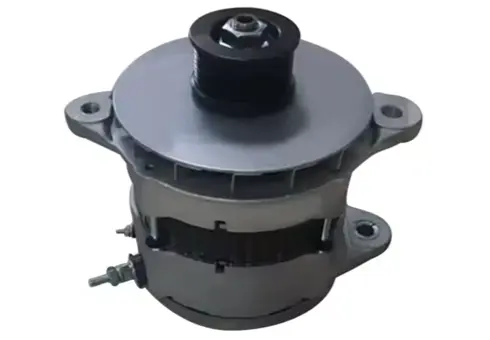
A few seconds saved in every excavator swing cycle can create a significant difference in overall productivity. Behind every fast, smooth, and accurate rotation is a swing motor that controls how efficiently hydraulic power is transformed into machine movement. From construction sites to mining operations, swing motor performance directly influences cycle efficiency, operator control, and the ability of an excavator to handle demanding workloads.
As excavators continue to face higher expectations for speed, precision, and reliability, the role of the swing motor has become more important than ever. Choosing the right solution from experienced swing motor manufacturers and swing motor suppliers helps equipment users achieve better hydraulic performance, improved stability, and longer service life across different operating conditions.
Excavator productivity is closely related to how efficiently each working cycle is completed. Digging, lifting, swinging, and unloading require precise coordination between mechanical structures and hydraulic systems. Among these movements, the swing operation often determines how quickly materials can be transferred from one position to another, making the swing motor a key factor in cycle efficiency.
A high-performance swing motor provides consistent torque during acceleration, stable rotation under load, and controlled braking when positioning the excavator attachment. These characteristics allow operators to complete repeated tasks more smoothly while reducing unnecessary movement delays. In high-frequency applications, such as earthmoving and material handling, even small improvements in swing response can contribute to better overall productivity.
The relationship between swing motor performance and excavator efficiency is especially important for machines operating continuously for long hours. When the motor delivers reliable hydraulic power conversion and accurate control, the excavator can maintain stable working performance while reducing energy waste. This is why professional swing motor manufacturers continuously optimize motor structures to meet the requirements of modern hydraulic excavators.
| Performance Factor | Influence on Excavator Operation | Operational Benefit |
|---|---|---|
| Torque Capacity | Determines the ability to rotate the upper structure under different loads | Supports stable operation in heavy-duty applications |
| Response Speed | Affects acceleration and cycle completion time | Improves working efficiency during repeated movements |
| Control Accuracy | Impacts positioning and operator handling | Provides smoother and more precise operation |
| Durability | Determines long-term performance under continuous workloads | Reduces maintenance frequency and downtime |
The performance of a swing motor depends heavily on the hydraulic system that supplies and controls its power. Hydraulic pressure, oil flow management, control valves, and energy recovery methods all influence how effectively the motor converts hydraulic energy into rotational movement.
During acceleration, the hydraulic system must provide sufficient flow and pressure to generate the torque required to start rotation. During deceleration, the system must manage energy release smoothly to prevent sudden stops, vibration, and mechanical stress. Poor hydraulic coordination can reduce efficiency and affect the overall stability of the excavator.
Modern excavators increasingly rely on advanced hydraulic control systems to improve energy utilization and movement precision. These systems adjust hydraulic flow according to operating conditions, allowing the swing motor to deliver the required power without unnecessary consumption.
Experienced swing motor suppliers understand that compatibility between the motor and hydraulic system is essential. A properly matched swing motor can improve machine response, reduce hydraulic losses, and provide more consistent performance throughout the equipment lifecycle.
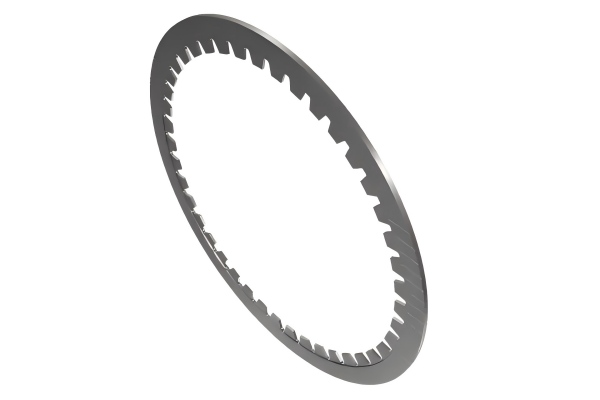
The structural design of a swing motor directly affects how an excavator manages rotation forces. Important design considerations include displacement characteristics, pressure resistance, braking performance, and internal mechanical efficiency.
A well-engineered swing motor must achieve a balance between strong torque output and precise controllability. Excessive power without proper regulation may create unstable movements, while insufficient torque capability can limit productivity when handling heavy loads.
The braking function is another important factor in swing motor design. Excavators frequently need accurate positioning when placing materials or operating in limited spaces. A reliable braking system helps prevent unwanted movement and improves operational safety.
For global excavator users, selecting suitable hydraulic components from reliable suppliers is essential for maintaining system performance. Fanbuzhe provides various hydraulic component solutions designed for different equipment requirements. Users can explore available hydraulic products and equipment solutions to better understand suitable options for different excavator applications.
Different excavator applications create different expectations for swing motor performance. A compact excavator used in urban construction requires smooth control and precise movement, while large mining excavators require higher torque capacity and exceptional durability for continuous heavy-duty operation.
Operating environments also influence swing motor selection. Machines working in dusty construction areas, extreme temperatures, or high-load conditions require components capable of maintaining stable performance despite external challenges. Therefore, swing motors must be evaluated according to both machine specifications and actual working requirements.
| Application Type | Swing Motor Requirement | Main Performance Focus |
|---|---|---|
| Mini Excavators | Compact structure and smooth response | Precision control and efficiency |
| Construction Excavators | Balanced torque and speed performance | Cycle efficiency and operator comfort |
| Mining Excavators | High torque and strong durability | Continuous heavy-load operation |
| Material Handling Equipment | Fast response and accurate positioning | Frequent rotation reliability |
Reliable swing motor manufacturers and swing motor suppliers consider these application differences when developing solutions for various excavator systems. Understanding the operating environment helps users select motors that provide suitable performance and long-term value.
Excavator efficiency depends not only on initial performance but also on long-term reliability. Since swing motors experience frequent acceleration, deceleration, and load changes, their durability directly affects equipment availability and maintenance requirements.
Proper maintenance practices can significantly extend swing motor service life. Managing hydraulic oil quality, preventing contamination, checking system pressure, and inspecting related components help reduce wear and avoid unexpected failures.
Manufacturing quality also plays an important role in swing motor reliability. Professional swing motor suppliers focus on material selection, precision machining, and performance testing to ensure that products can withstand demanding operating conditions.
When businesses require technical support, replacement guidance, or assistance with hydraulic component selection, they can contact Fanbuzhe through its professional support channel to discuss application requirements and equipment compatibility.
Choosing the correct swing motor requires careful evaluation of multiple factors, including excavator size, hydraulic system design, working environment, and expected workload. A motor that matches the machine’s requirements can improve efficiency while reducing unnecessary stress on other hydraulic components.
Key specifications typically include displacement, operating pressure, torque capacity, rotation speed, and installation compatibility. Instead of focusing on a single parameter, users should evaluate how the swing motor performs as part of the complete excavator hydraulic system.
Working with experienced swing motor manufacturers and swing motor suppliers can help equipment users identify suitable solutions more efficiently. Professional suppliers can provide technical recommendations based on application requirements, ensuring better compatibility and reliable operation.
The swing motor plays a central role in determining excavator productivity, stability, and operating efficiency. By controlling the rotation of the upper structure, it directly affects cycle performance, movement accuracy, and operator experience.
As excavators continue to demand higher efficiency and reliability, advanced swing motor solutions become increasingly valuable. Selecting products from experienced swing motor manufacturers and swing motor suppliers enables equipment users to achieve improved performance, reduced maintenance needs, and longer service life.
Understanding swing motor technology, hydraulic system interaction, application requirements, and specification selection allows businesses to make more informed decisions when optimizing excavator performance.
A swing motor converts hydraulic energy into rotational force, allowing the excavator’s upper structure to rotate during digging, loading, and material handling operations.
A properly designed swing motor improves rotation speed, control accuracy, and cycle efficiency, helping excavators complete tasks faster and more smoothly.
Important factors include excavator size, hydraulic pressure requirements, torque capacity, operating environment, and system compatibility.
Hydraulic compatibility ensures efficient power transfer, stable operation, and reduced energy loss between the motor and excavator system.
Regular maintenance, clean hydraulic oil, proper inspection, and timely replacement of worn components can help improve swing motor reliability.
Professional swing motor manufacturers improve reliability through optimized designs, durable materials, precision manufacturing, and performance testing.
 English