The internal combustion engine is a masterpiece of engineering, relying on the synchronized movement of hundreds of components to convert fuel into mechanical energy. While pistons and crankshafts often steal the spotlight, the true efficiency of an engine is frequently determined within the cylinder head. Specifically, the valvetrain components play a pivotal role in ensuring optimal performance, longevity, and reliability. Among these components, the valve seats and valve guides are unsung heroes, operating under extreme conditions to seal combustion pressure and facilitate the smooth operation of intake and exhaust valves. To truly understand engine mechanics, one must have the Valve Seat and Valve Guide Functions Explained in detail.
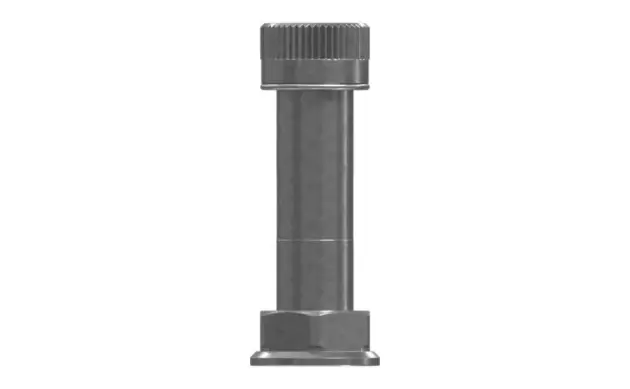
Valve seats provide the stationary surface against which the valves rest to seal the combustion chamber, while valve guides serve as the cylindrical tracks that direct the valve’s linear motion. Together, they manage critical tasks: maintaining cylinder compression, dissipating intense heat, and controlling oil consumption. In modern automotive and industrial applications, where engines are pushed to higher RPMs and tighter emission standards, the precision of these components is more critical than ever. Whether you are rebuilding a vintage engine or designing a high-performance racing application, understanding the interplay between the valve, the guide, and the seat is essential. This article explores the engineering principles behind these components, highlighting why material selection, precise machining, and regular maintenance are non-negotiable for engine health.
One of the most critical, yet often overlooked, functions of the valvetrain interface is thermal management. The combustion chamber is an inferno, with temperatures frequently exceeding 1,200°F (650°C) during operation. The exhaust valves, in particular, bear the brunt of this heat. Without an effective path for this thermal energy to escape, the valves would quickly overheat, soften, and eventually fail catastrophically. This brings us to the vital Heat Transfer Roles played by the valve seats and guides. Unlike the pistons, which are cooled by oil jets and contact with the cylinder walls, the valves have limited contact points with the liquid-cooled cylinder head: the seat and the guide.When an exhaust valve closes, it makes physical contact with the valve seat. For that brief moment, a significant amount of heat flows from the hot valve face into the cooler seat and subsequently into the cylinder head’s water jacket using conduction. Estimates suggest that approximately 70% to 75% of the heat absorbed by the valve is dissipated through the valve seat. If the seat width is too narrow, heat transfer is reduced, leading to burnt valves. Conversely, if the seat is too wide, carbon deposits can form, compromising the seal. The valve guide handles the remaining heat transfer, pulling thermal energy up through the valve stem and into the head casting. This is why the material density and thermal conductivity of your guides are paramount in high-performance applications.The efficiency of this thermal exchange dictates the engine's ability to run higher compression ratios and lean fuel mixtures without suffering from pre-ignition or component failure. Brands that prioritize high-conductivity alloys in their aftermarket components understand that keeping the valve cool is the key to longevity. Below is a breakdown of how heat is managed across these interfaces.
| Component Interface | Primary Function | Thermal Dynamic | Risk of Failure |
|---|---|---|---|
| Valve Seat Contact | Sealing & Heat Dissipation | Conducts ~75% of valve heat | Valve burning, seat cracking |
| Valve Guide Interface | Alignment & Stem Cooling | Conducts ~25% of valve heat | Stem seizure, guide wear |
| Cylinder Head Casting | Final Heat Sink | Absorbs energy via coolant | Head warping, gasket failure |
The science of metallurgy is central to the longevity of cylinder heads. You cannot simply pair any metal with another and expect it to survive the hostile environment of an internal combustion engine. Material Compatibility with Valves is a complex balancing act involving hardness, lubricity, and thermal expansion rates. In the early days of automaking, leaded fuel provided a chemical cushion that lubricated valve seats and prevented wear. With the phase-out of lead, manufacturers had to upgrade to hardened steel or stellite seats to prevent the valves from welding themselves to the head.Today, the choice of material depends heavily on the application. For standard passenger vehicles, sintered iron (powdered metal) is commonly used for both seats and guides because it is cost-effective and holds oil well, providing self-lubrication. However, in high-performance or heavy-duty diesel engines, materials like Manganese Bronze or Ampco 45 (a high-strength nickel-aluminum bronze) are preferred for guides. These bronze alloys offer superior heat transfer capabilities compared to cast iron and are less likely to gall (physically adhere) to stainless steel or titanium valves. The valve stem itself is often chrome-plated or nitrided to reduce friction against the guide.Compatibility also extends to the expansion rates. Aluminum cylinder heads expand faster than cast iron heads when heated. If the valve seat material does not have a compatible coefficient of thermal expansion, the interference fit (the tightness holding the seat in place) can fail, leading to a "dropped seat"—a catastrophic failure where the seat falls into the cylinder, usually destroying the piston and engine block. High-quality aftermarket providers invest heavily in R&D to ensure their seat and guide alloys provide the perfect balance of durability and thermal stability.
| Material Type | Best Application | Pros | Cons |
|---|---|---|---|
| Cast Iron | Stock / OEM Replacement | Inexpensive, good oil retention | Brittle, lower heat transfer |
| Manganese Bronze | Performance Street/Strip | Excellent lubricity, durability | Harder to machine |
| Beryllium Copper | Extreme Racing (F1, Drag) | Ultimate heat transfer | Expensive, toxic dust when cutting |
| Stellite | Natural Gas / Heavy Duty | Extreme heat/corrosion resistance | Very hard, requires special tooling |
Diagnosing cylinder head issues often starts with identifying the Symptoms of Guide Wear. The valve guide acts as the pilot for the valve; when it wears out, the valve no longer moves in a perfectly straight line relative to the seat. This creates a "bell-mouthing" effect at the ends of the guide, allowing the valve to wobble. One of the most common signs of this issue is excessive oil consumption, often manifested as a puff of blue smoke when starting the engine or upon deceleration. This happens because the valve stem seal can no longer maintain a tight grip on the wobbling valve stem, allowing oil to be sucked down into the combustion chamber.Beyond oil consumption, worn guides lead to accelerated valve seat wear. Because the valve is rocking as it closes, it doesn't land squarely on the seat. This constant misalignment hammers the seat and the valve face unevenly, leading to a loss of compression and, eventually, a "burnt valve" where combustion gases leak past the seal during the power stroke. Listen for a ticking or chattering noise from the cylinder head area, which can indicate excessive lash caused by the valve shifting. In severe cases, the lateral movement can cause the valve head to snap off, resulting in total engine destruction.Mechanics often perform a "wiggle test" during teardowns to check for this wear, but precise measurement using dial bore gauges is the only way to confirm if a guide is within tolerance. Addressing these symptoms early by installing high-quality replacement guides can save the entire cylinder head from being scrapped. It serves as a reminder that the smallest clearances often dictate the biggest performance outcomes.
<tr style
| Symptom | Root Mechanism | Resulting Damage |
|---|
 English