In the world of heavy construction machinery, the efficiency of an excavator or bulldozer is only as good as its undercarriage. While the bucket and boom often get the most attention, the undercarriage accounts for a significant portion of the machine's maintenance costs and operational stability. Central to this system is the Track Adjuster Assembly, a critical component that ensures the tracks remain at the optimal tension during operation. Without a functioning adjuster, tracks can become loose, leading to de-tracking, or too tight, causing excessive wear on the drivetrain components.
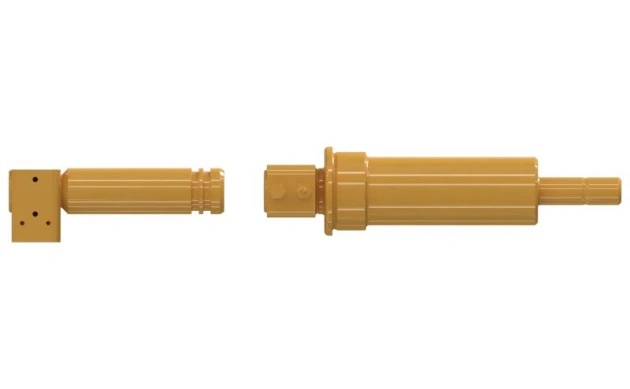
The Track Adjuster Assembly acts as the suspension system for the machine's undercarriage, absorbing shock loads and maintaining proper track alignment. It is a deceptively complex mechanism involving high-pressure hydraulics and massive recoil springs working in unison. Whether you are operating a mini-excavator or a massive mining dozer, understanding how this component functions is vital for reducing downtime and extending the lifespan of your equipment. Informational resources often overlook the intricacies of this part, yet it is often the first line of defense against catastrophic undercarriage failure. For fleet managers and equipment owners, recognizing the engineering behind these assemblies allows for better decision-making when purchasing replacement parts. High-quality adjusters engineered with precision materials can withstand the grueling conditions of construction sites, from abrasive sand to corrosive mud. This article aims to provide a deep dive into the Track Adjuster Assembly, covering its definition, components, operational mechanics, failure signs, and maintenance strategies. By equipping yourself with this knowledge, you ensure that your heavy machinery operates with maximum safety and efficiency, safeguarding your investment in the long run.
A Track Adjuster Assembly is a combined hydraulic and mechanical system located within the track frame of crawler-type heavy machinery. Its primary function is to maintain the correct tension of the steel or rubber tracks. However, its role extends far beyond simple tightening. It serves as a shock absorber that protects the more delicate components of the undercarriage, such as the final drive and the main frame, from the jarring impacts encountered during operation. When a machine traverses uneven terrain or strikes an obstacle, the track is forced backward; the adjuster assembly compresses to absorb this impact and then recoils to return the track to its original position.
The assembly typically sits housed within the track frame and pushes against the front idler. By extending or retracting, it moves the idler forward or backward, thereby increasing or decreasing the tension on the track chain. This adjustability is crucial because tracks naturally stretch over time due to pin and bushing wear. Additionally, environmental conditions—such as mud packing between the sprockets and the chain—can effectively tighten the track, requiring the adjuster to compress to prevent snapping the chain.
There are generally two types of tensioning systems used in history: mechanical screw-type adjusters and hydraulic adjusters. Modern heavy equipment almost exclusively uses the Hydraulic Track Adjuster because of the massive forces required to tension large tracks. A mechanical screw is simply not practical for machines weighing several tons. The hydraulic system allows an operator to tension the tracks using a standard grease gun, converting fluid pressure into thousands of pounds of force. This ease of use encourages regular maintenance, which is vital for safety.
Furthermore, the Track Adjuster Assembly is critical for operator comfort. A rigid undercarriage transfers every bump directly to the cab. The recoil spring mechanism within the assembly dampens these vibrations, reducing operator fatigue. Understanding this dual role—tensioner and shock absorber—is key to appreciating why high-quality manufacturing standards are necessary for these parts.
| Feature | Function | Benefit |
|---|---|---|
| Hydraulic Cylinder | Provides extendable force via grease pressure | Allows for easy, tool-free track tensioning |
| Recoil Spring | Absorbs impact energy when hitting obstacles | Protects the final drive and frame from cracking |
| Idler Connection | Transfers force to the front idler wheel | Maintains track alignment and prevents de-tracking |
When sourcing these components, it is essential to look for assemblies that match OEM specifications regarding stroke length and spring rate. An incorrect spring rate can lead to a suspension that is either too soft (causing bottoming out) or too stiff (transferring damage to the frame). Therefore, knowing exactly what a Track Adjuster Assembly is and how it fits into the broader kinematics of the machine is the first step in effective equipment management.
To fully grasp the functionality of the overall system, one must understand the individual components that make up the Track Adjuster Assembly. It is not a singular solid block, but rather an intricate assembly of distinct parts, each manufactured with specific material properties to handle extreme stress. The main components include the recoil spring, the hydraulic cylinder, the piston (or rod), the seal kit, and the grease valve (zert fitting).
The Recoil Spring is visually the most prominent part of the assembly. It is a massive, heavy-duty compression spring made from high-tensile steel. Its production involves precise heat treatment processes to ensure it retains its "memory" and does not sag after repeated compression cycles. The spring is pre-loaded (compressed) during assembly, meaning it stores a dangerous amount of kinetic energy even when the machine is turned off. This pre-load ensures that there is always resistance against the idler preventing the track from going slack immediately upon impact.
Inside or adjacent to the spring lies the Hydraulic Cylinder and Piston. This mimics the function of a standard hydraulic cylinder found on a boom or bucket, but instead of hydraulic fluid pumped from the engine, it uses grease pumped manually. The cylinder barrel must be machined to tight tolerances to prevent grease bypass. The piston rod is typically chrome-plated to resist corrosion and wear, as it is exposed to the elements. Since the undercarriage is constantly submerged in mud, water, and grit, the surface finish of the piston is critical to preventing seal failure.
Speaking of seals, the Seal Kit is the unsung hero of the assembly. Comprising dust wipers, rod seals, and buffer seals, these components must withstand high static pressures. Unlike a boom cylinder that constantly moves, a track adjuster cylinder is static for long periods. This static load can cause seal extrusion if inferior materials are used. High-quality seals made from advanced polyurethane or nitrile compounds are essential for preventing the grease from leaking out, which would result in a loss of track tension.
Finally, the Grease Valve allows grease to enter the cylinder but prevents it from flowing back out. This is a check-valve mechanism. Adjacent to it is often a relief valve, which is used when the track needs to be loosened for maintenance or removal. Understanding these components helps in identifying which part has failed when issues arise.
| Component | Material Selection | Primary Risk Factor |
|---|---|---|
| Recoil Spring | High-Carbon Alloy Steel (Heat Treated) | Fatigue cracking or loss of tension memory |
| Piston Rod | Chrome-Plated Hardened Steel | Pitting and corrosion from moisture/salt |
| Cylinder Barrel | Cast Iron or Honed Steel | Internal scoring or cracking under pressure |
| Seal Kit | Polyurethane / Nitrile Rubber | Dry rot, extrusion, or abrasive wear |
When looking for replacement parts, analyzing the quality of these individual components is vital. A Track Adjuster Assembly failure is rarely a total system collapse; usually, it is the failure of a single seal or a fatigued spring. However, because of the high tension involved, it is often safer and more cost-effective to replace the assembly as a whole unit rather than attempting to disassemble the high-compression spring in a non-specialized workshop. This underscores the importance of sourcing reliable, pre-assembled units.
The operation of a Hydraulic Track Adjuster is a fascinating application of Pascal’s Law, which states that pressure applied to a confined fluid is transmitted undiminished in every direction. In the context of heavy machinery, this principle is used to convert the relatively low effort of pumping a hand grease gun into tons of linear force required to push the heavy front idler wheel forward. The process begins when the operator attaches a standard grease gun to the grease fill valve on the adjuster cylinder. As grease is pumped into the chamber behind the piston, the pressure builds. Because grease is virtually incompressible, the accumulating volume forces the piston rod to extend. This rod pushes against the yoke or the frame of the front idler wheel. As the idler moves forward, it expands the circumference of the track loop, tightening the chain against the sprockets and rollers.
Once the desired tension is reached (measured by the "sag" of the track between the top rollers), the operator stops pumping. The check valve inside the grease fitting ensures that the high-pressure grease remains trapped inside the cylinder, maintaining a static layout. This hydraulic lock holds the idler in position during normal operation. The track is now properly tensioned and ready for work. This hydraulic mechanism is strictly for tensioning; it does not provide the springing action.
The dynamic part of the system involves the Recoil Spring. The hydraulic cylinder and the spring are arranged in series. When the excavator tracks hit a large rock, the force is transmitted from the track chain to the idler, and then to the adjuster assembly. If this force exceeds the pre-load of the spring, the spring compresses. This allows the idler to retract temporarily, giving the track "slack" to glide over the obstacle without snapping. Once the obstacle is cleared, the potential energy stored in the compressed spring is released, pushing the idler back forward and restoring the track tension.
| Operational Phase | Action | System Response |
|---|---|---|
| Tensioning | Injecting Grease | Piston extends, pushing idler forward, tightening track. |
| Holding | Check Valve Closed | Grease remains trapped; static tension is maintained. |
| Shock Absorption | Impact on Idler | Spring compresses, allowing idler to retract momentarily. |
| Relief | Opening Relief Valve | Grease escapes, piston retracts, track loosens for service. |
It is important to note that the grease inside the Hydraulic Track Adjuster does not act as a spring; it acts as a solid rod. If the grease leaks, the rod effectively shortens and the track becomes loose. Furthermore, if debris builds up and packs tightly in the undercarriage, it can subject the adjuster to pressures far exceeding design limits. In these scenarios, the relief valve serves as a fail-safe to prevent the cylinder from bursting. Understanding this workflow helps operators realize that maintaining the grease seal is synomonous with maintaining the functionality of the machine.
Identifying the early warning signs of a failing Track Adjuster Assembly can save thousands of dollars in secondary repairs. A failed adjuster leads to loose tracks, which causes rapid wear on the sprocket teeth, idler wear, and destruction of the track links. Conversely, a seized adjuster can cause tracks to be too tight, straining the final drive motor and potentially snapping the track. Operators and maintenance personnel should be vigilant for specific indicators of trouble.
The most obvious sign is leaking grease. If you notice piles of grease accumulating on the track frame near the idler, or if the track constantly loses tension requiring daily pumping, the cylinder seals have likely failed. The environment in which these machines work is incredibly hostile to seals; abrasive sand and mud can work their way past the wiper seal and score the chrome rod, leading to inevitable leaks. Once the hydraulic integrity is compromised, the adjuster cannot hold the idler in place.
Another common sign is a sagging track that refuses to tighten. Even if grease is pumped in, if the track does not tighten, it suggests internal bypassing of the piston seal or a broken mechanical connection. Sometimes, the track may tighten but loosen again within an hour of operation. This indicates a slow leak or a faulty check valve. It is crucial to inspect the chrome plating on the piston rod during these checks. If the chrome is pitted or flaking (often due to corrosion from sitting idle), it will tear any new seals installed, necessitating a full replacement of the cylinder or assembly.
Broken Recoil Springs are less common but more dangerous. Visual inspection might reveal a spring that looks crooked or compressed even when there is no load. If the machine makes a loud clunking or banging noise when tracking over uneven ground, it could indicate that the spring has snapped and is no longer providing suspension. This results in metal-on-metal impacts that inhibit the machine's ability to absorb shock, transferring damaging forces directly to the chassis.
| Symptom | Probable Cause | Recommended Action |
|---|---|---|
| Frequent Track Loosening | Worn Cylinder Seals / Faulty Valve | Reseal cylinder or replace check valve immediately. |
| Grease Leakage on Frame | Scored Piston Rod / Damaged Wiper | Replace piston rod or full adjuster assembly. |
| Loud Clunking Sounds | Broken Recoil Spring | Immediate replacement of spring assembly (Safety Risk). |
| Seized Idler / No Movement | Corrosion / Bent Components | Disassemble, clean, and replace damaged parts. |
Operators should also look for uneven wear patterns on the idler and track links. If the track adjuster is bent (perhaps from a severe side impact), the idler will not sit square, leading to rapid, asymmetrical wear. Addressing these signs promptly usually involves replacing the Track Adjuster Assembly. While some attempt repairs, the safety risks involved with compressing the recoil spring often make purchasing a new, pre-assembled unit the wiser choice for most workshops.
Proactive maintenance of the Track Adjuster Assembly is the most effective way to ensure the longevity of your machine’s undercarriage. While the component is designed to be tough, it is not invincible. A regimen of regular inspection and cleaning can prevent the most common causes of failure, which are primarily related to contamination and neglect. By integrating these tips into your daily or weekly service routines, you can maximize the ROI of your equipment parts.The most critical maintenance task is keeping the undercarriage clean. Soil, clay, and gravel often get packed tightly inside the track frame, surrounding the recoil spring and the adjuster cylinder. In winter, this material can freeze, turning into a solid block of ice that prevents the spring from compressing or the adjuster from moving. In summer, wet clay can trap moisture against the metal, accelerating rust and corrosion on the spring and cylinder rod. Regularly pressure washing the track frames to remove this debris ensures that the mechanism moves freely and reduces the risk of seal damage.Regular Track Tension Checks should be mandatory. This isn't just about functionality; it's a diagnostic tool. If you find yourself having to add grease every few days, you have a developing problem that needs addressing before it becomes a catastrophe. Follow the manufacturer's manual for the correct "sag" measurement. Remember that tension requirements differ depending on the terrain; soft, muddy ground typically requires slightly looser tracks to prevent packing, while hard, rocky ground might require tighter specs.It is also vital to inspect the grease valve during routine maintenance. This small component is the gatekeeper of the hydraulic pressure. Ensure the fitting is clean before attaching the grease gun to prevent injecting dirt directly into the cylinder. If the valve looks damaged or rounded off, replace it immediately—it is a cheap part that protects an expensive assembly.
| Maintenance Task | Frequency | Objective |
|---|---|---|
| Undercarriage Cleaning | Daily / Weekly | Remove packed dirt to prevent corrosion and freezing. |
| Measure Track Sag | Weekly (or per Job Site) | Ensure correct tension for the specific terrain. |
| Visual Seal Inspection | Monthly | Check for grease seepage around the idler rod. |
| Operate Adjuster Full Stroke | Annually | Full extension/retraction prevents internal seizing. |
Finally, always prioritize safety when performing maintenance on the Track Adjuster Assembly. Never attempt to disassemble the spring without the proper compression tooling; the stored energy is lethal. If the assembly needs to be removed, ensure the pressure is fully relieved via the relief valve first. By respecting the power of the machinery and maintaining a clean, lubricated system, you ensure that your excavator or dozer remains a reliable asset for years to come.
The Track Adjuster Assembly serves as the unsung hero of heavy machinery, bearing the brunt of rough terrain to protect the machine's vitals and ensure seamless operation. From the complex interplay of the Recoil Spring and Hydraulic Cylinder to the crucial role of seals and valves, this system is an engineering marvel designed for resilience. However, its durability relies heavily on the quality of the materials used in its manufacturing and the diligence of the maintenance it receives.Whether you are trouble-shooting a sagging track or proactively overhauling an aging undercarriage, understanding the mechanics of the track adjuster empowers you to make smarter choices. Ignoring signs of failure, such as leaking grease or strange noises, can lead to costly downtime and extensive damage to the track chain and idlers. Conversely, regular cleaning and tension checks can extend the life of the assembly significantly.When the time comes for replacement, prioritizing high-quality, precision-engineered assemblies ensures that your equipment returns to peak performance. In the demanding world of construction and earthmoving, knowledge is power, and a well-maintained machine is the foundation of profitability.
 English